
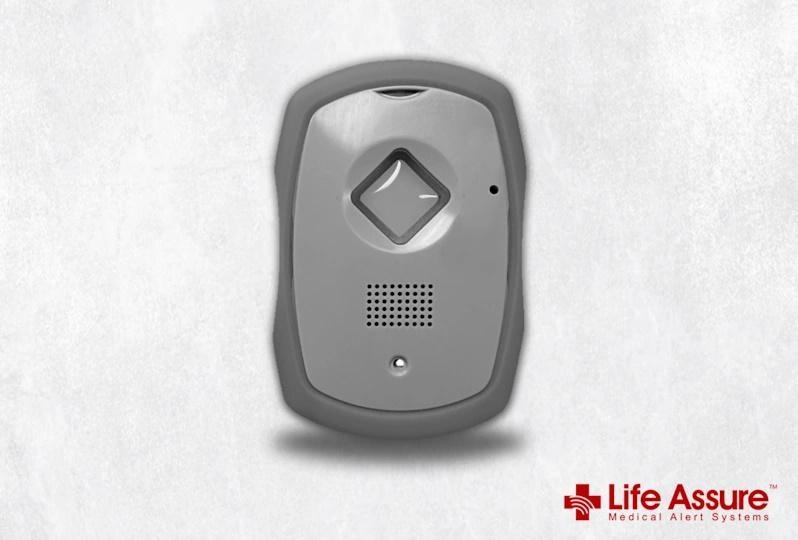


An active, independent lifestyle can take on greater importance with age. Even a stroll, a shopping spree, a workout session or a relaxing evening alone will be different when fast assistance is not nearby.
Mobile GPS medical alert systems offer emergency assistance and GPS tracking to help keep you safe wherever you go, not just at home.
In contrast to conventional home systems, mobile systems can accompany you on errands, while traveling, while exercising, or when spending some time by yourself. Built-in features and functions may define a device’s comfort, dependability, and convenience in daily use.
Understanding which attributes are important may help you compare options and select a system that fits your routine, safety requirements, and autonomy. This article covers five important features of mobile GPS medical alert systems you should know.
1. GPS Location Tracking
Location tracking can play an important role during emergencies away from home. The GPS functions enable emergency assistance to be linked to your position in various settings.
Routine activities can take you to the stores, parks, appointments, exercise classes, or short trips. Mobile GPS medical alert systems become more useful when protection can move with your schedule rather than being tied to one address.
Travel, errands, walking, or other outdoor activities may expose you to unfamiliar environments. When under stress, it may not seem easy to provide an address or even give directions to where you are. GPS technology allows emergency assistance to find you faster without additional directions or phone calls.
Quickly sharing location may reduce wasted time during emergencies. Dependable tracking may also enhance assurance when traveling, on trips, and in daily life.
2. Two-Way Voice Support
Effective communication is important in an emergency. Two-way voice support lets you speak directly through your mobile GPS medical alert system after pressing a button.
Travel, errands, walks, exercise, or time spent alone may put you out of familiar surroundings. You might not always have a phone nearby when your mobility is impaired by pain, weakness, or confusion. Integrated voice communication connects you to emergency help without any additional steps.
During a stressful situation, clear sound can also help to make instructions easier to hear, understand, and follow. Simple communication is even more useful in cases when you need immediate assistance outside the house. A brief talk can help you clarify what is going on, ask questions, and get instructions while you wait to be assisted.
Fast contact matters when quick action becomes important. Direct voice access is a convenient addition to your daily routine and makes you feel safer, more connected, and better assisted wherever you go.
3. Cellular Coverage Beyond Home
The conventional home systems are primarily indoor-oriented. However, cellular service is used in mobile GPS medical alert systems to remain connected over greater distances.
Errands, travel, outdoor exercise, appointments, or family visits can take you beyond one fixed location. Wider range coverage will assist in maintaining emergency communication as your environment varies during the day.
Mobile protection is even more valuable when safety extends beyond your front door. With a system that can remain connected in more locations, your independence can be supported without restricting daily routines activities.
Daily outings can also be easily controlled with a reliable cellular service. Good coverage ensures that your device is prepared for all your intended activities and for unforeseen events.
4. Fall Detection Protection
Falls can happen during normal activities without warning. Quick assistance can become even more important when movement feels difficult after a sudden incident.
Fall detection technology responds to movement linked to a fall. Automatic emergency connection can provide added protection when reaching a button becomes harder. Extra safety can matter during active moments outside or quiet moments at home.
A fall can happen during simple tasks such as walking, bathing, exercising, or moving through your home. Fast response matters when standing up, reaching for a phone, or pressing a button feels difficult. Fall detection adds another layer of protection by helping your device respond to sudden movement linked to a fall.
Daily movement includes situations where balance or footing may change quickly. Fall detection can help strengthen confidence while supporting your routine and independence.
Bottomline
Mobile GPS medical alert systems offer much more than a basic emergency button. Two-way voice support can improve communication during stressful moments. GPS tracking can connect emergency assistance with your location across different settings. Cellular coverage can keep protection active beyond your home. Fall detection can add another layer of safety during sudden incidents. Twenty-four-hour monitoring can help emergency support stay available day and night.
A clear understanding of these features can make device comparisons easier. Better knowledge can also help you choose a system that supports your routine, mobility, safety needs, and independence.