

- ADC rejects INEC’s new 2027 election dates, as it only favors APC
- Atiku’s son breaks ranks and refuses to follow Governor Fintri to APC
- Witness recounts how Fulani chiefs backed gunmen behind Benue massacre
- Ex-AGF Malami, wife, and son sent to prison as ₦8.7bn trial approaches
- Gas shortage forces power drop as Nigerians face more blackouts
Across Nigeria’s 36 states and the Federal Capital Territory, these are the top five Nigerian news stories you shouldn’t miss.
ADC rejects INEC’s new 2027 election dates, as it only favors APC

The African Democratic Congress has rejected the revised 2027 election timetable announced by the Independent National Electoral Commission. The commission fixed January 16, 2027, for presidential and national assembly polls, and February 6, 2027, for governorship and state assembly elections, with deadlines set for party registers and primaries.
ADC spokesperson Bolaji Abdullahi said the schedule could restrict democratic participation. He argued that strict membership register rules and deadlines may prevent opposition parties from fielding candidates.
He also claimed the All Progressives Congress had early advantage after starting its digital register long before the law took effect. Abdullahi warned the timeframe makes compliance difficult for other parties.
Atiku’s son breaks ranks and refuses to follow Governor Fintri to APC
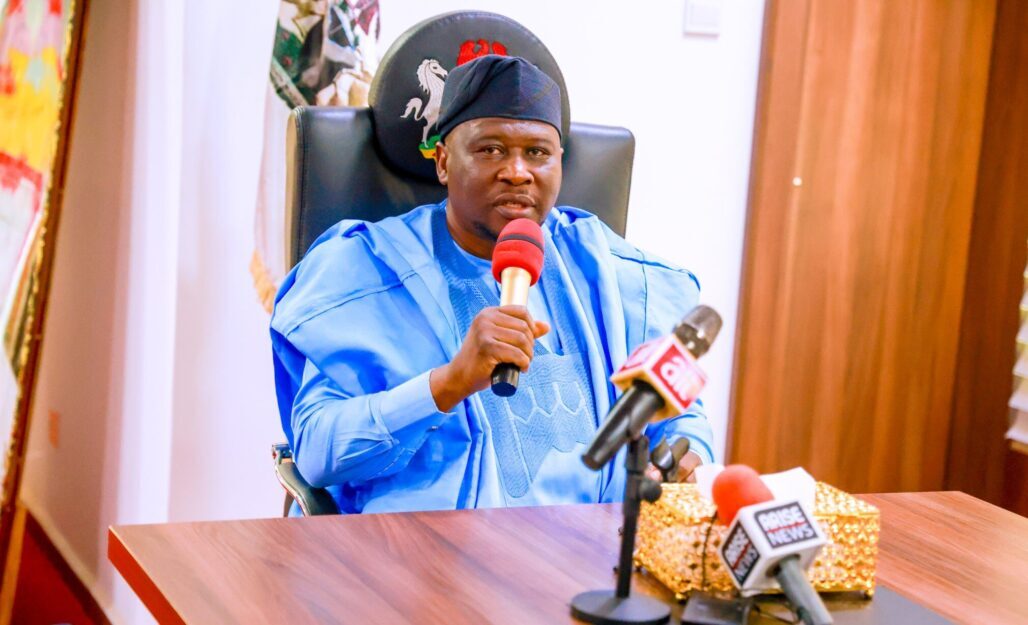
Adamu Atiku has refused to join the All Progressives Congress despite the defection of Ahmadu Fintiri from the Peoples Democratic Party. The Adamawa State governor moved with most of his cabinet, but Adamu stayed away from the announcement.
Adamu, a commissioner and son of Atiku Abubakar, did not appear on the list of defectors. Another commissioner, Maksha Atiku, also refused to join the governor’s new political camp.
Sources said loyalty to their father influenced their decision. The African Democratic Congress is now linked to Atiku, and their refusal highlights growing political divisions and personal allegiance within Adamawa’s leadership circle.
Witness recounts how Fulani chiefs backed gunmen behind Benue massacre
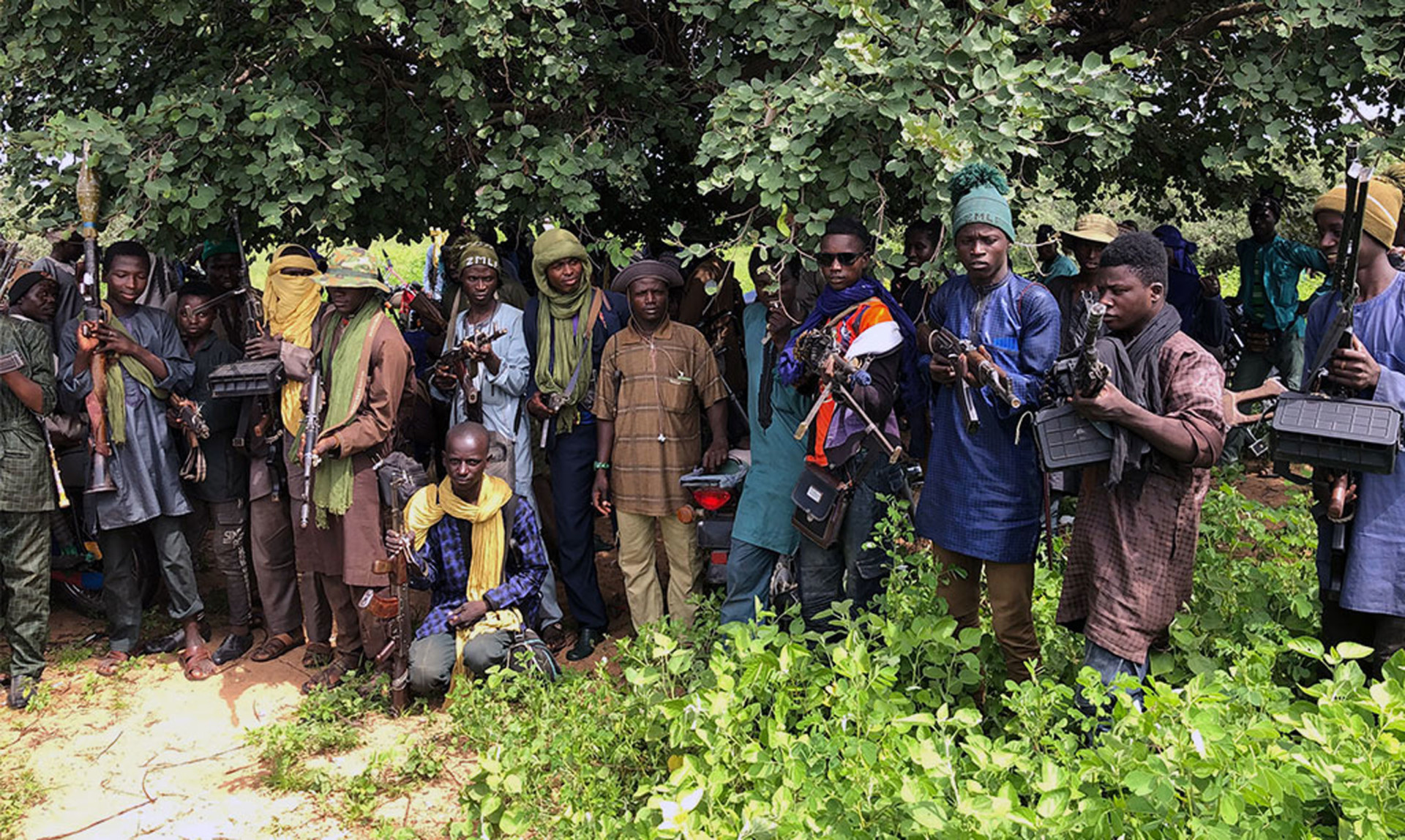
A witness told the Federal High Court in Abuja that angry Fulani chiefs funded over 200 gunmen who attacked Yelwata in Benue State on June 13, 2025. The assault reportedly killed more than 200 people and destroyed homes and property.
The witness, a team leader with the Nigeria Police Force, testified against nine suspects facing terrorism charges. He said the attackers used AK 47 rifles and planned the operation during meetings held in Nasarawa State.
All defendants denied the charges. The court remanded several suspects at the Kuje Correctional Facility in Abuja pending further hearings into the deadly incident and investigation.
Ex-AGF Malami, wife, and son sent to prison as ₦8.7bn trial approaches
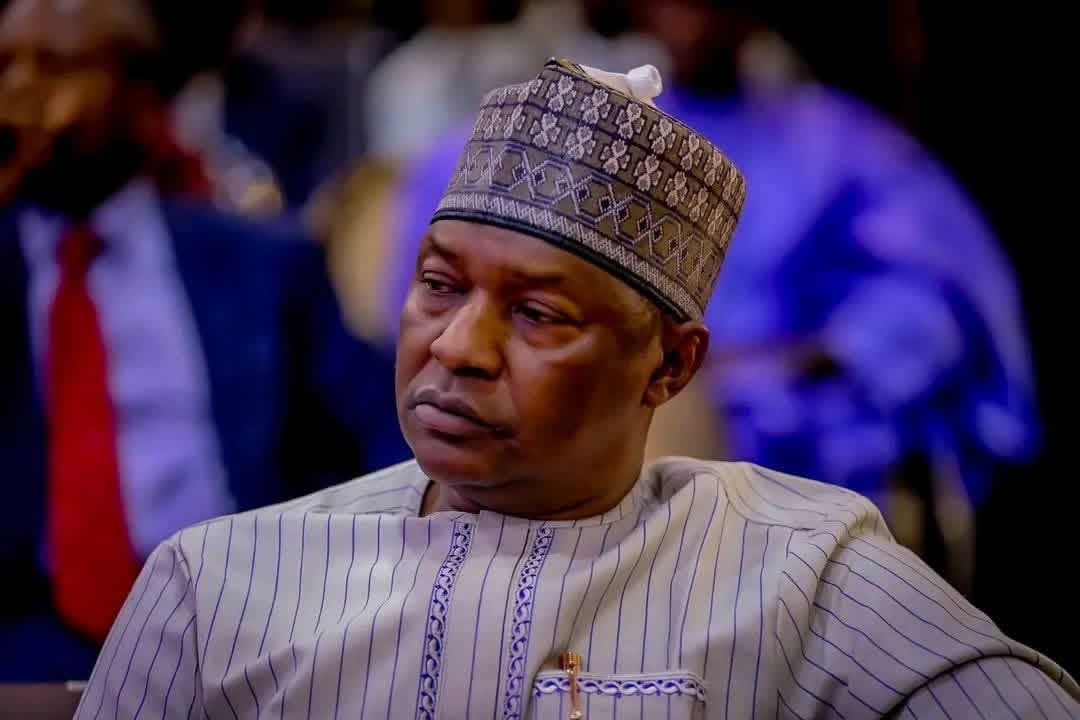
Abubakar Malami, his wife Asabe, and son Abdulaziz have been remanded in prison by the Federal High Court in Abuja. They pleaded not guilty to 16 charges involving conspiracy and laundering more than ₦8.7bn. The case was reassigned and heard by Joyce Abdulmalik.
The judge refused an oral bail request and ordered their lawyer to file a formal application. She fixed March 6 for bail hearing and trial. Malami and his son were sent to Kuje Correctional Centre, while his wife was moved to Suleja Correctional Centre.
The Economic and Financial Crimes Commission (EFCC) alleged the family used companies and bank accounts between 2015 and 2025 to hide illegal funds. Investigators said the money was moved through linked firms to conceal its origin and avoid scrutiny.
Gas shortage forces power drop as Nigerians face more blackouts
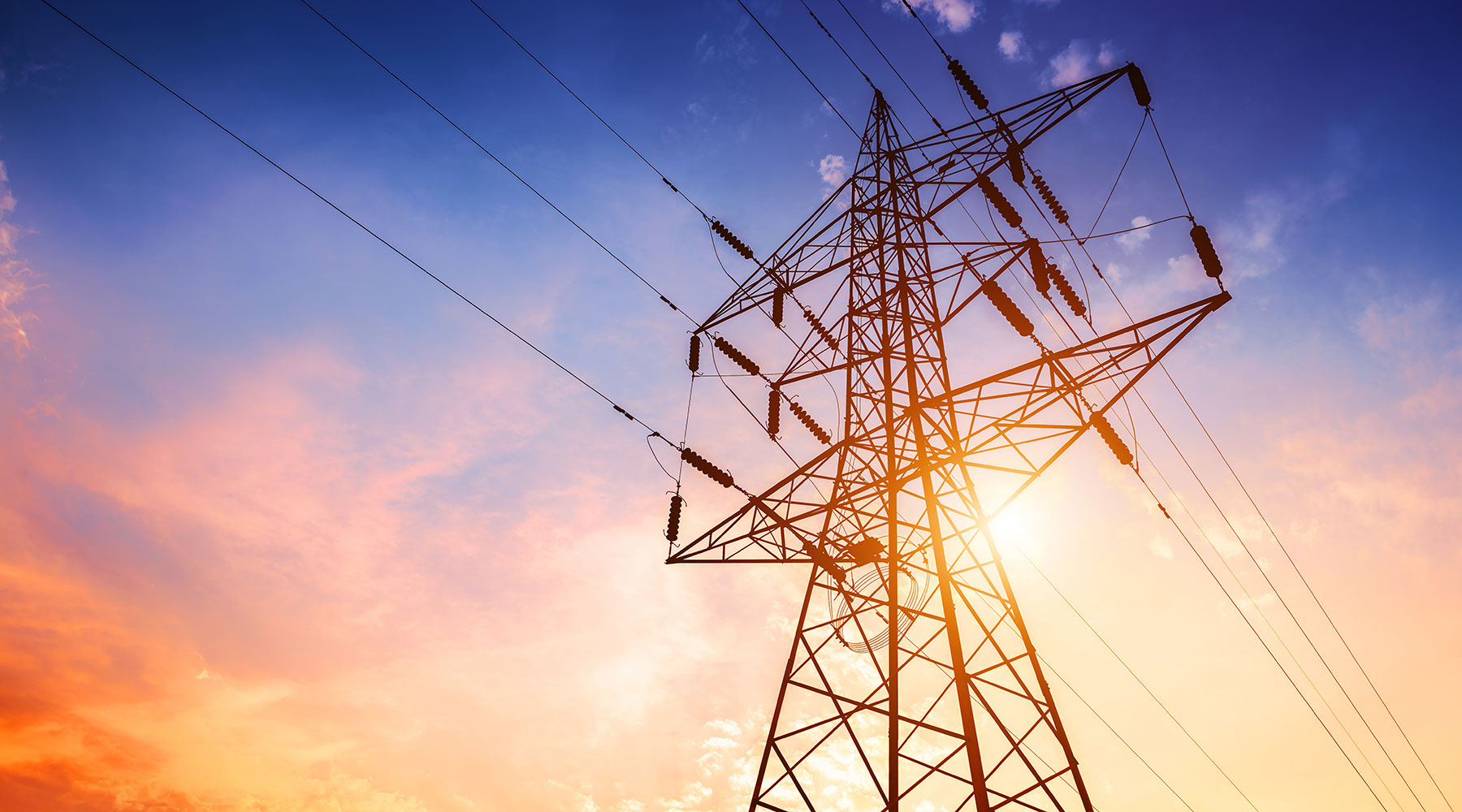
Nigeria’s electricity supply has fallen sharply after the Nigerian Independent System Operator (NISO) said generation dropped to about 4,300 megawatts. The agency warned that poor gas supply to thermal power plants has reduced the energy available to distribution companies, worsening nationwide supply.
Thermal stations, which produce most of the country’s electricity, require about 1,629 million cubic feet of gas daily to operate at full capacity. However, only 692 million cubic feet were supplied, less than half of the demand. The shortage has forced load shedding and limited grid capacity.
The Nigerian Electricity Regulatory Commission (NERC) tariff system was used to share available power and keep the grid stable. Authorities apologised and said efforts are ongoing to restore the supply.