

- Electricity debt grows as Benin, Togo, and Niger owe Nigeria over ₦25bn
- Obasanjo reveals how he shook the Nigerian Labour movement
- Dangote pulls petition against Ahmed Farouk, but ICPC keeps investigation active
- “Abeg” and other Nigerian words make it into the Oxford English Dictionary in 2026
- US tightens visa rules as Nigerians face $15,000 travel bonds
Across Nigeria’s 36 states and the Federal Capital Territory, these are the top five Nigerian news stories you shouldn’t miss.
Electricity debt grows as Benin, Togo, and Niger owe Nigeria over ₦25bn
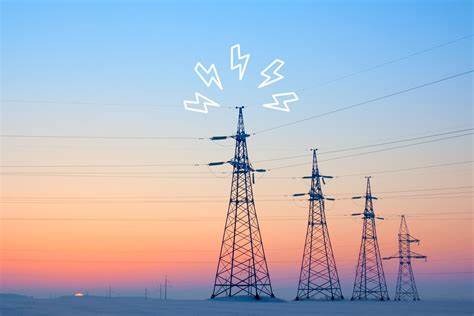
Nigeria is owed about $17.8m, more than ₦25bn, by Togo, Niger and Benin for electricity supplied through bilateral power deals, according to the electricity regulator. The Nigerian Electricity Regulatory Commission disclosed this in its third quarter 2025 report.
The commission said the three countries were billed $18.69m for power in the quarter but paid only $7.125m, leaving $11.56m unpaid. Older debts of $6.23m also remain outstanding, pushing total arrears to $17.8m.
NERC identified the debtors as the power utilities of Togo, Benin and Niger. It noted that just 38 per cent of invoices were settled, despite electricity being supplied by Nigerian generation companies through cross-border arrangements.
Obasanjo reveals how he shook the Nigerian Labour movement
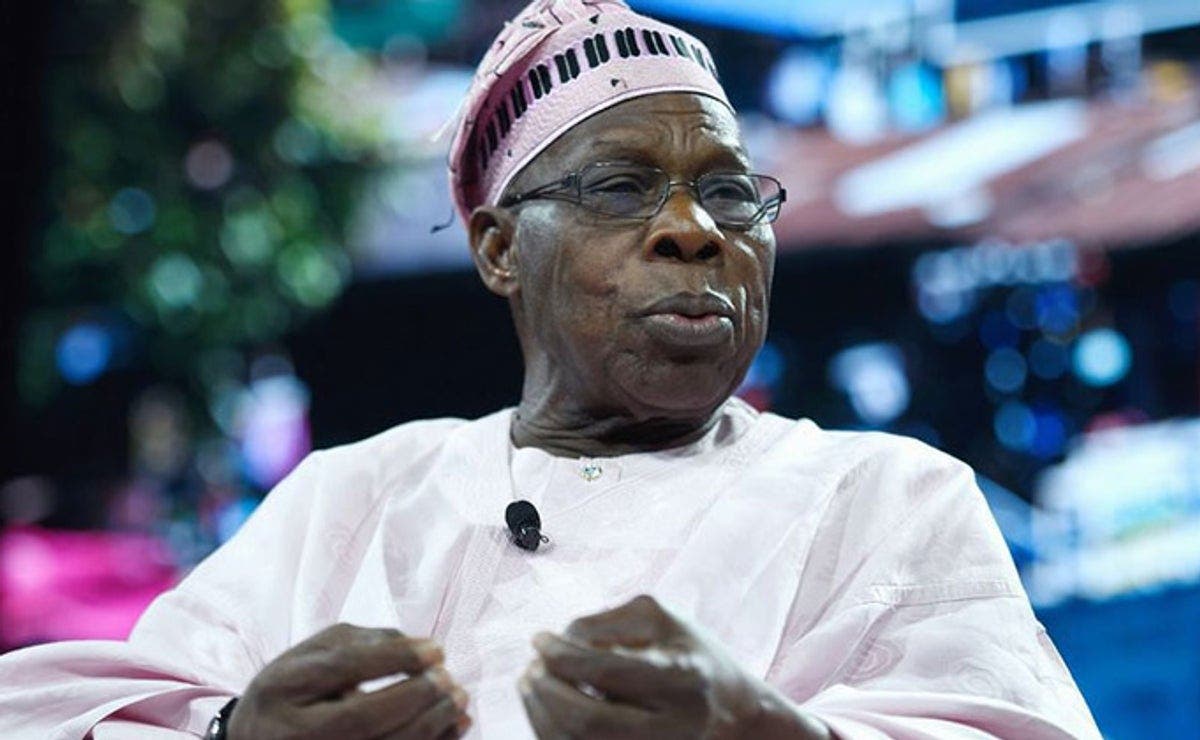
Nigeria’s former president, Olusegun Obasanjo, has said his labour reforms were driven by fears of foreign control and the need for an independent, home-grown workers’ union. He spoke in Abuja at the 85th birthday event of former labour leader Hassan Summonu.
Obasanjo recalled that, before the reforms, the labour movement was divided and influenced by outside powers during the Cold War. He claimed one union was backed by the Soviet KGB, while another received support from the United States’ CIA.
He said this situation pushed him to act. According to Obasanjo, he ordered reforms to create a single, Nigerian-funded labour body, appointing Justice Adebiyi to lead the process that led to the formation of the Nigeria Labour Congress.
Dangote pulls petition against Ahmed Farouk, but ICPC keeps investigation active
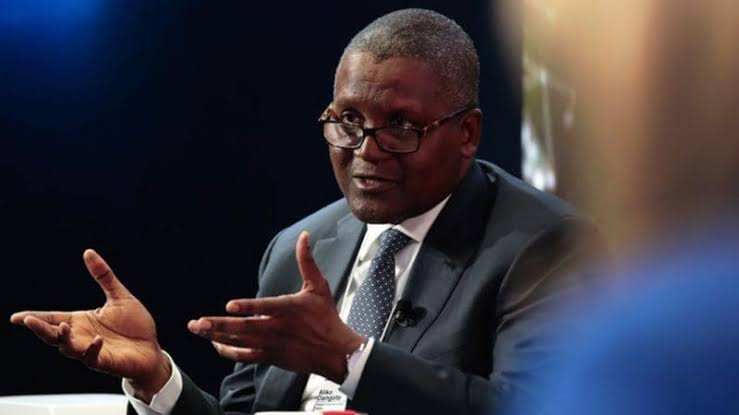
Nigeria’s anti-corruption agency, the ICPC, has confirmed that businessman Aliko Dangote has withdrawn his petition against Ahmed Farouk, former head of the Nigerian Midstream and Downstream Petroleum Regulatory Authority.
The petition, submitted in December 2025, accused Farouk of corruption and living beyond his means. Dangote alleged that over seven million dollars was spent on his children’s education in Switzerland without proof of lawful income.
In a statement on Wednesday, ICPC spokesman Okor Odey said Dangote’s lawyer formally withdrew the complaint, adding that another security agency had taken over. However, the commission stressed that its investigation would continue despite the withdrawal.
“Abeg” and other Nigerian words make it into the Oxford English Dictionary in 2026
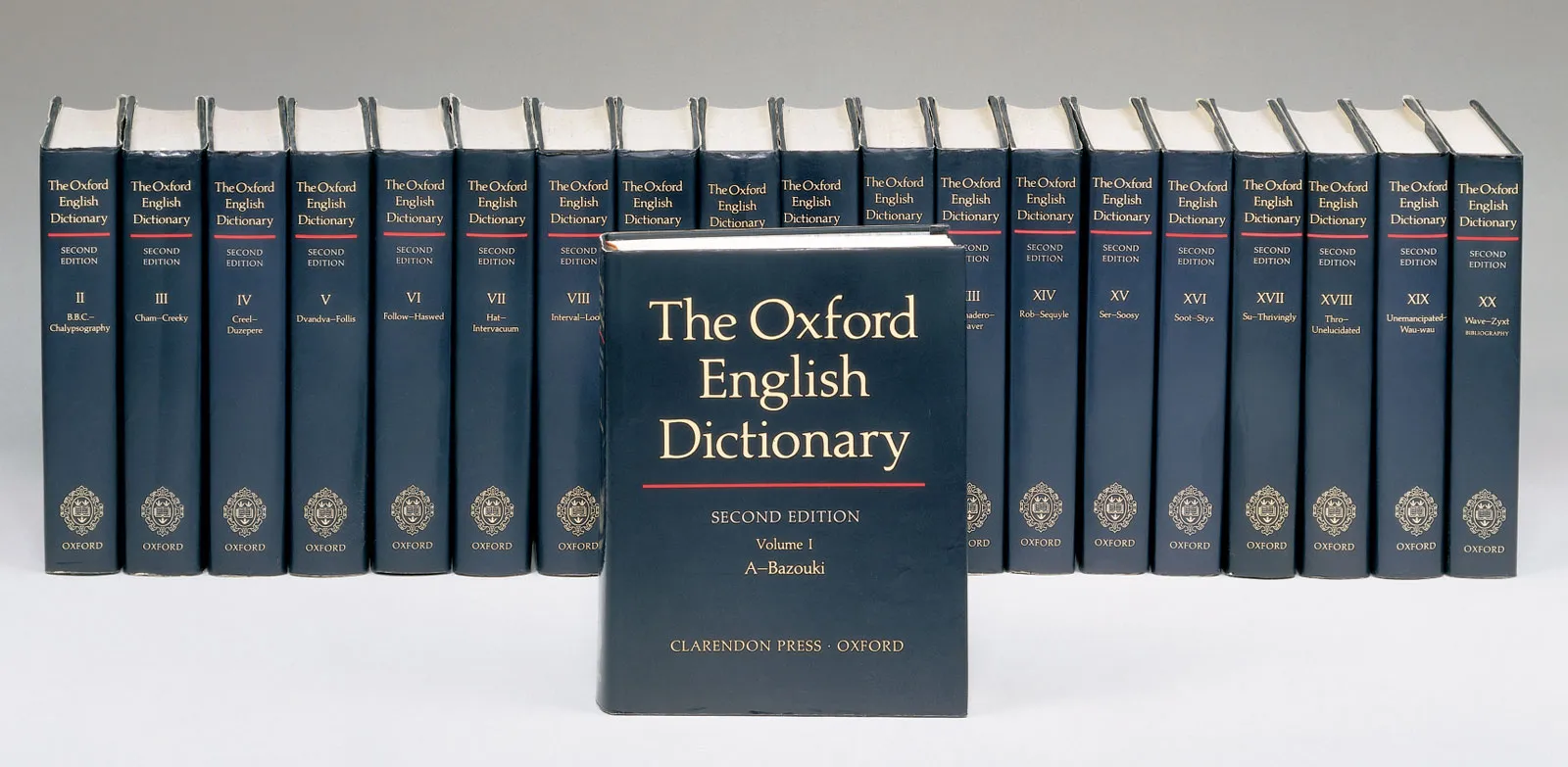
The Oxford English Dictionary has unveiled its 2026 update, adding 279 new words, with 22 drawn from Nigeria and other West African countries. The dictionary said the entries reflect the region’s growing global influence.
Nigeria leads the list with popular expressions such as abeg, Afrobeats, Ghana Must Go, biko, Mammy Market, Amala, nyash and Moi Moi. Ghana also features strongly, with words such as Kpanlogo, Light Soup, Abrokyire, and Ampesi included.
According to the OED, many of the new words can function in different ways. For instance, ‘abeg’ may be used as an interjection or an adverb to express surprise, disbelief, or frustration.
US tightens visa rules as Nigerians face $15,000 travel bonds

Fresh travel rules from the United States may force some Nigerians applying for B1 and B2 visas to pay a bond of up to $15,000. The US State Department says the bond does not guarantee visa approval, and any payment made without consular instruction will not be refunded.
Nigeria is among 38 countries listed under the new policy, with African nations accounting for 24. The requirement targets applicants from countries considered high risk.
Visa bonds act as financial guarantees for business and tourist travellers. For Nigeria, the policy is expected to take effect from January 21, 2026.