


Imagine a thrilling race where toy cars zoom around a track, but instead of following strict rules, they get to race freely and show their true speed. This is what has happened to the naira. The naira used to have strict rules that controlled its value, but now it gets to race freely and find its own value. Let’s dive into this exciting race and learn all about the floating naira.
What is an Exchange Rate?
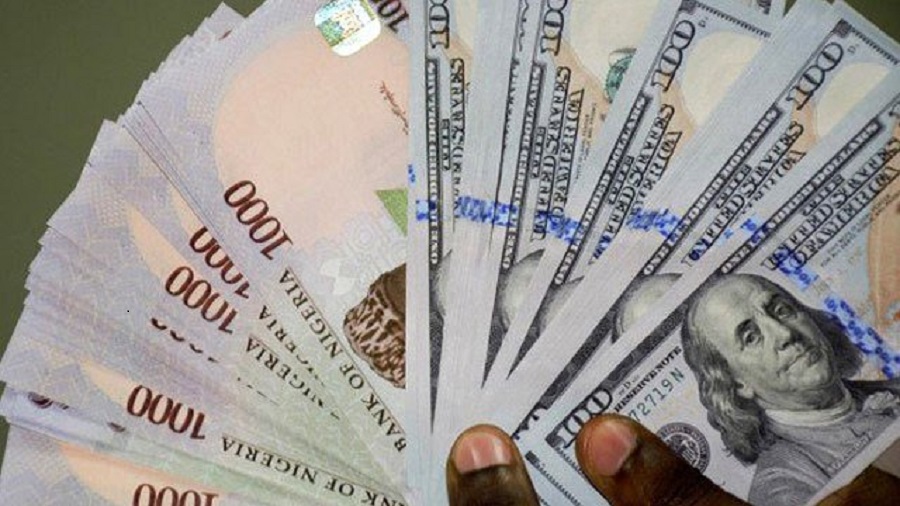
Before we talk about the floating naira, let’s understand what an exchange rate is. Have you ever traded your toys with your friends? You probably had to agree on how many toys you would exchange for one of their toys. Well, an exchange rate is just like that! It shows how much one country’s money is worth compared to another country’s money. For example, it tells us how much naira we need to trade for one US dollar or one British pound.
Different Exchange Rate Regimes
Now, let’s explore the different ways countries handle their exchange rates. There are three types: fixed exchange rate, floating exchange rate, and managed floating exchange rate.
- Fixed Exchange Rate: Imagine a toy car that always stays at the same speed during the race. That’s like a fixed exchange rate. It means the value of the naira stays the same, no matter what happens in the world.
- Floating Exchange Rate: In this race, toy cars can speed up or slow down based on how fast they want to go. A floating exchange rate is similar because the value of the naira changes according to what people want and how much they are willing to trade.
- Managed Floating Exchange Rate: This is like a mix of the first two races. The naira’s value is allowed to change within a specific range set by the Central Bank of Nigeria (CBN). It’s like having some rules but still letting the naira race more freely.
How Did the Central Bank Control the Exchange Rate?
The CBN used to be like a race referee for the naira. They would control the value of the naira by buying and selling different currencies. It was their job to make sure the naira stayed within a certain range. Sometimes, they had to spend a lot of money to keep the naira’s value stable.
Introducing the Floating Naira
But guess what? Nigeria decided to change the race rules! They set the naira free to race without strict controls. This new way is called floating the naira. It means the naira’s value will be decided by people who want to buy or sell it. It’s like letting the toy cars race freely without any rules from the referee.
What Does Floating the Naira Mean for Nigeria?
Floating the naira has both good and not-so-good effects on Nigeria’s economy. Let’s explore them:
- Good Effects: When the naira floats freely, it encourages people to buy things made in Nigeria because imported toys and goods might become more expensive. This helps Nigerian businesses grow. It also attracts more foreign investors who want to put their money into Nigeria. When they invest, they have to use the naira, and that can make the naira more valuable.
- Not-so-good Effects: In the short term, the naira might lose some value. This means it won’t be worth as much compared to other countries money. As a result, imported toys and goods could become more expensive, and it might be a little harder for Nigerians to buy them. But remember, in a race, sometimes the toy car goes faster, and sometimes it goes slower. In the long run, floating the naira is expected to ‘benefit’ Nigeria’s economy.
Conclusion
Now you understand the exciting race of the floating naira! Just like toy cars racing freely, the naira gets to find its own value in the world. Floating the naira has its ups and downs, but its advantage for Nigeria’s economy is yet to be seen.