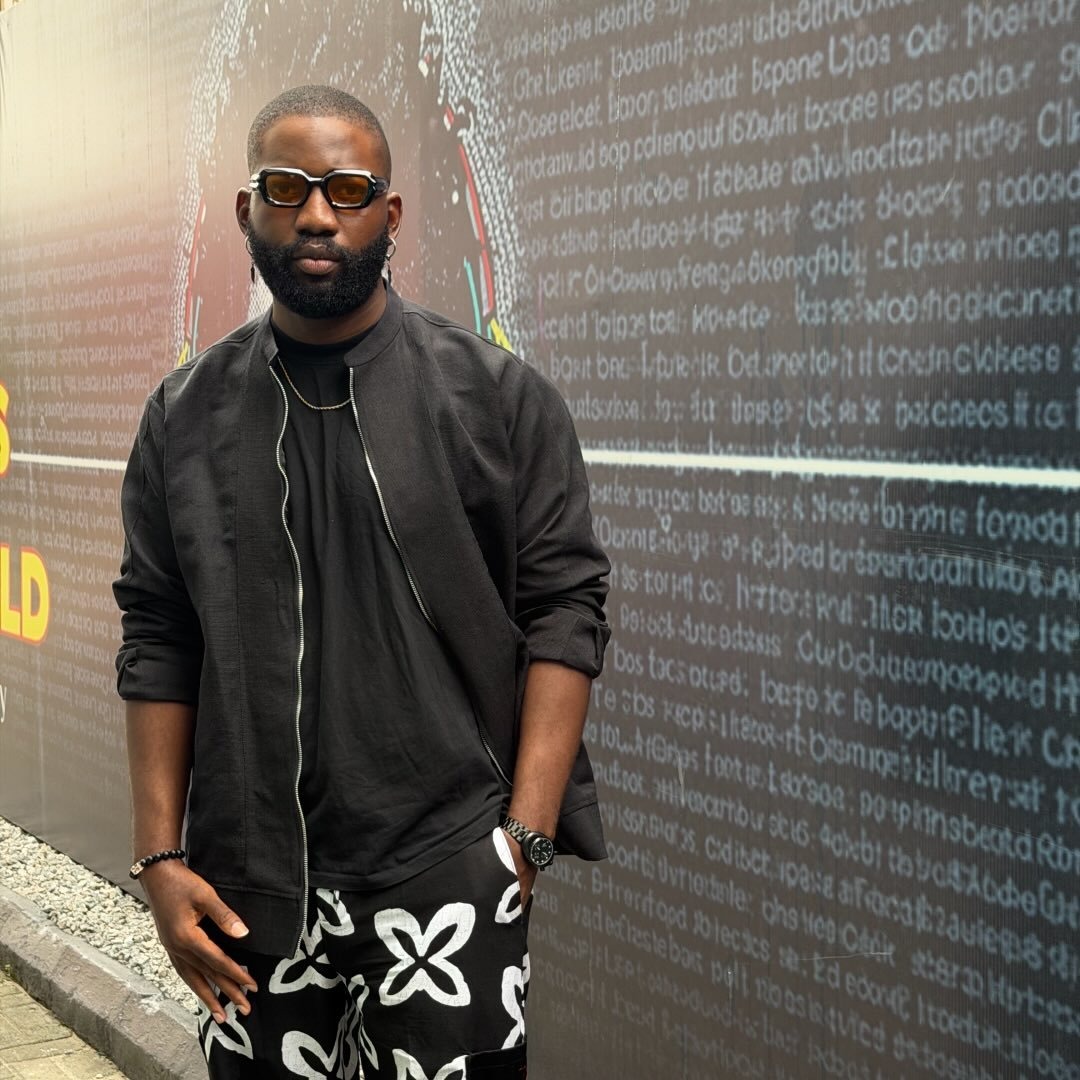

Mariam, Opeyemi, Solomon Buchi, and the CEO of Fekomi engaged in a highly visible exchange on the timeline this weekend. The conversation centred on compensation and access. The public discourse quickly moved past the initial disagreement to highlight a broader transition occurring within the Nigerian creator economy. Influencers are facing increased financial friction. The period of abundant, unattached brand sponsorships is concluding.
Corporate marketing budgets contracted sharply over the last year. Inflation reduced general consumer spending. Brands adjusted their advertising allocations to match this economic reality. Companies that previously offered large retainers now mandate direct sales conversions or pivot entirely to barter agreements. Creators who built their financial structures solely around sponsored content feel the immediate impact of this market correction. The tension visible during the weekend clash operates as a symptom of a shrinking revenue pool.
A business model reliant on external corporate outreach carries inherent risk. An influencer operating as an outsourced digital platform loses revenue the moment a brand pauses its marketing spend. The creators navigating this market correction successfully are altering their approach. They focus on building owned products. They establish recurring revenue models through direct-to-consumer sales or paid subscriber tiers. They leverage their audience to fund independent ventures rather than waiting for endorsement deals.
The recent timeline event provides a clear case study for the industry. A personal brand requires a distinct commercial foundation to survive economic downturns. The attention currency generated by social media must translate into actual equity. Securing a corporate sponsorship provides temporary capital. Developing an independent business structure ensures long-term market resilience.