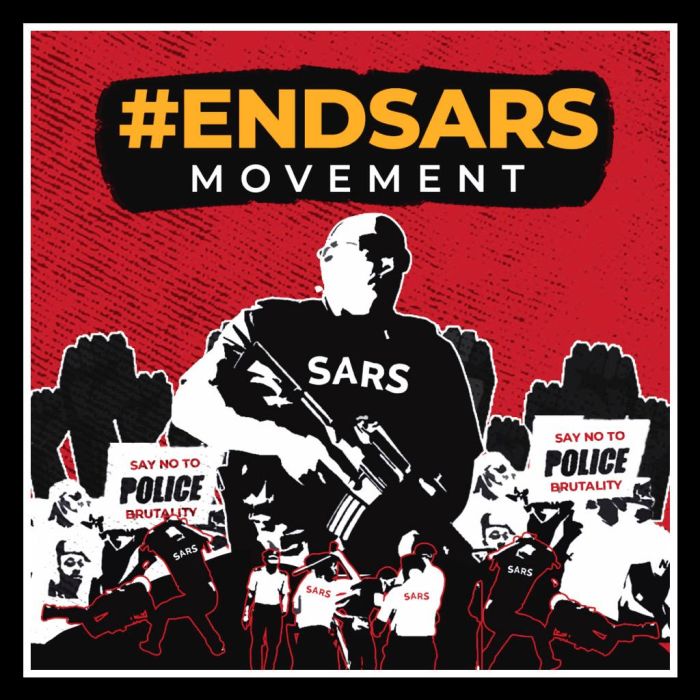

In 2020, Nigerian youths organized one of the most powerful protest movements in the country’s modern history. The campaign, known as #EndSARS, was a direct response to the actions of the now-defunct Special Anti-Robbery Squad.
For weeks, young Nigerians marched across major cities, speaking out against police brutality, profiling, extortion, and harassment. Many shared personal stories of being stopped, searched, detained, or forced to pay money without justification. What began as online outrage quickly turned into nationwide demonstrations that lasted over a month. Although the protests ended in chaos and controversy, they are still seen by many as a defining moment of youth resistance in Nigeria. For a while after, reports of open harassment appeared to decline.
Now, six years later, conversations about police brutality are resurfacing. Social media is once again filled with personal accounts of alleged harassment, unlawful detention, and intimidation. The phrase “EndSARS 2.0” has started trending in certain circles, raising a pressing question. Is Nigeria heading toward another large-scale protest?

Several recent celebrity accounts have amplified these concerns.
BBN’s Adekunle’s Encounter with Police Brutality
In November 2025, Adekunle Olopade, a former Big Brother Naija housemate, shared an experience online in which he alleged that officers detained and handcuffed him for hours. He described the incident as deeply traumatizing, though he did not disclose the full context of the encounter. His story sparked fresh debates about police conduct and accountability.
Papaya Alleges Unlawful Police Assault
Similarly, digital creator Raheem Abike Halimah, popularly known as Papaya Ex, accused officers of assault and confiscating her phone during what was described as a stop and search. After she shared a video of the incident, a police spokesperson publicly claimed she had resisted the search. The situation triggered widespread reactions online, with many Nigerians questioning whether refusal alone justifies physical force.
Skales Recounts Awful Encounter with the Police Force
Singer Skales also recounted a troubling encounter in December 2024. According to him, officers allegedly demanded what they called “Christmas money.” When he refused, he claimed a weapon was pointed at him, and he was threatened. His post quickly gained attention and added to the growing list of public complaints.
While celebrity stories often garner the most visibility, they represent only a fraction of the complaints ordinary citizens share daily. Many young Nigerians continue to report experiences of profiling based on appearance, devices, cars, or lifestyle assumptions. For some, it feels uncomfortably similar to the climate that sparked the 2020 protests.
At the same time, there is hesitation. The events that concluded the original #EndSARS movement left emotional scars. Some Nigerians have expressed fear about repeating that experience. Others argue that silence could allow the problem to worsen.
Whether or not another nationwide protest emerges depends on several factors. Public trust in reform efforts, transparency from law enforcement authorities, and meaningful accountability will likely shape what happens next. Social media remains a powerful organizing tool, and youth voices remain loud and connected.
For now, the tension feels familiar. Conversations are growing louder. Stories are circulating faster. And many are watching closely, wondering if history is preparing to repeat itself.