

A new sub-genre has emerged in Nigerian music: “Nepopiano,” a mix of Amapiano, Afrobeat, and the confidence of singers we call “Nepo Babies.” The lyrics and cadence of these artists’ songs speak to their wealth and the privilege they grew up with, and this genre is slowly becoming a hit in the country. However, because it’s a new genre, only a few artists are exploring it, and there are no notable female artists yet.
In this article, we’ll take a look at some of the artists leading the “Nepopiano” wave in Nigeria at the moment.
No11
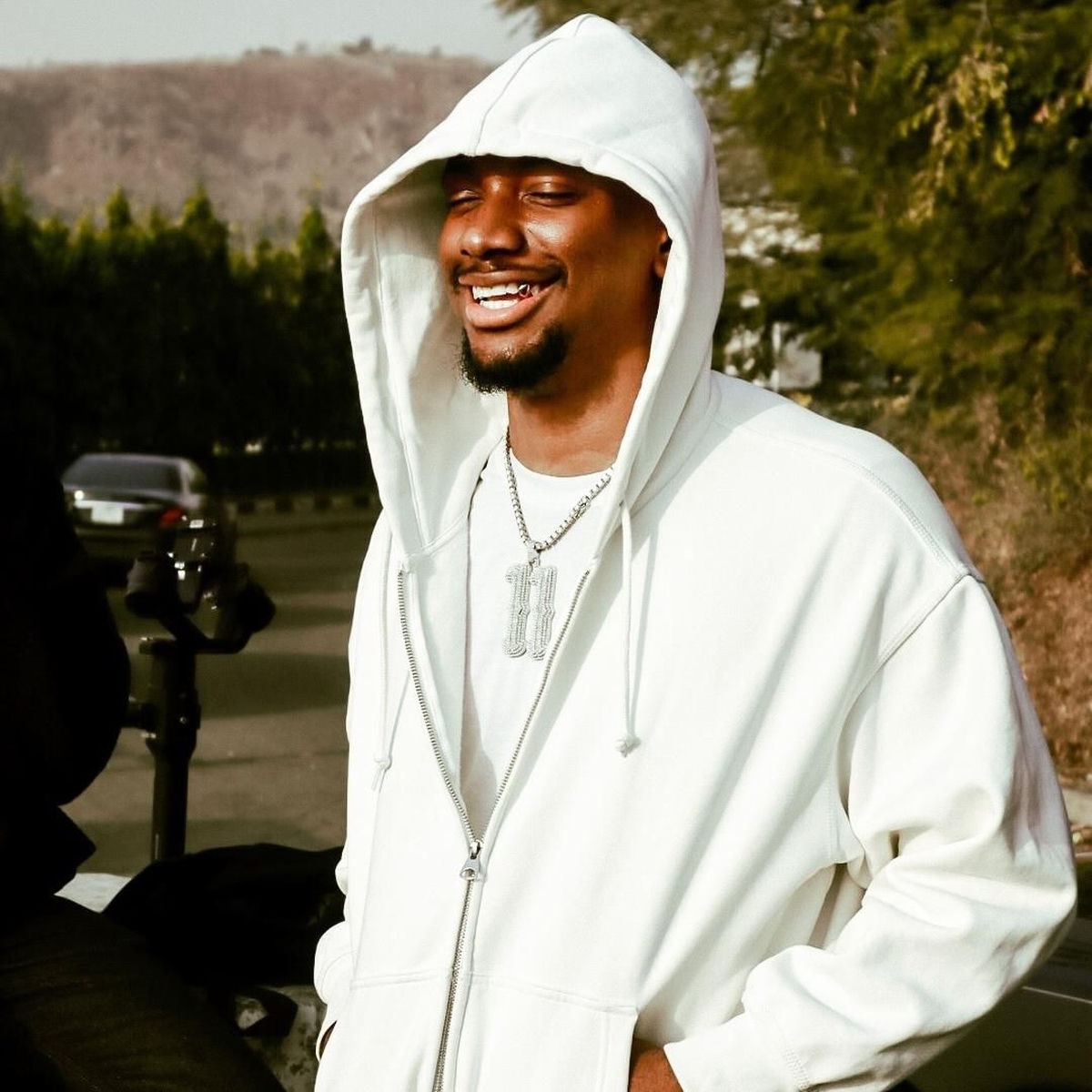
Born Nnamdi Odom, a 25-year-old singer-songwriter, is widely considered the face of the “Nepopiano” sound, which was influenced by his breakout song “How Far.” The song released in 2025 became the “Nepo Babies” soundtrack and put his name out there as one of the new artists to look out for. NO11’s music is art that leans very closely into his lifestyle, with a softer infusion of Afrobeat and Amapiano into what we are now learning is a new sub-genre taking shape in the Nigerian music scene. His music has the exact elements of calm and flow that have become staples of “Nepopiano” music. Nnamdi’s ties to this genre stem from growing up in a wealthy home and being born abroad, which he has infused into his music.
Mavo
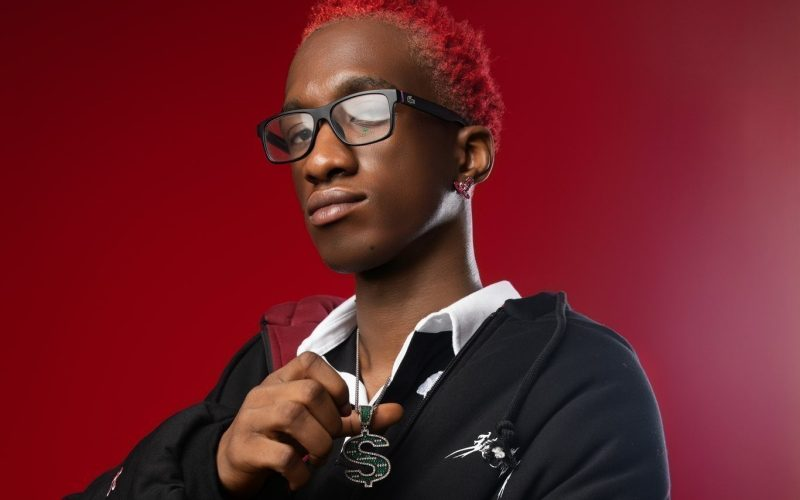
Marvin Oseremen Ukanigbe, professionally known as “Mavo,” is not only part of the “Nepopiano” movement but also one of the rising Gen Z artists in Nigeria. The 22-year-old singer and rapper first went viral for his single “Escaladizzy,” a track that leaned into the braggadocious tone of the “Nepopiano” genre. The song not only made him a household name but also had social media buzzing about the talented new artist with the potential to contribute to Nigeria’s pop culture. Mavo is now one of the leading voices of his generation and a pioneer of “Nepopiano,” a style tied to the singer’s upbringing in a well-to-do family.
Siraheem
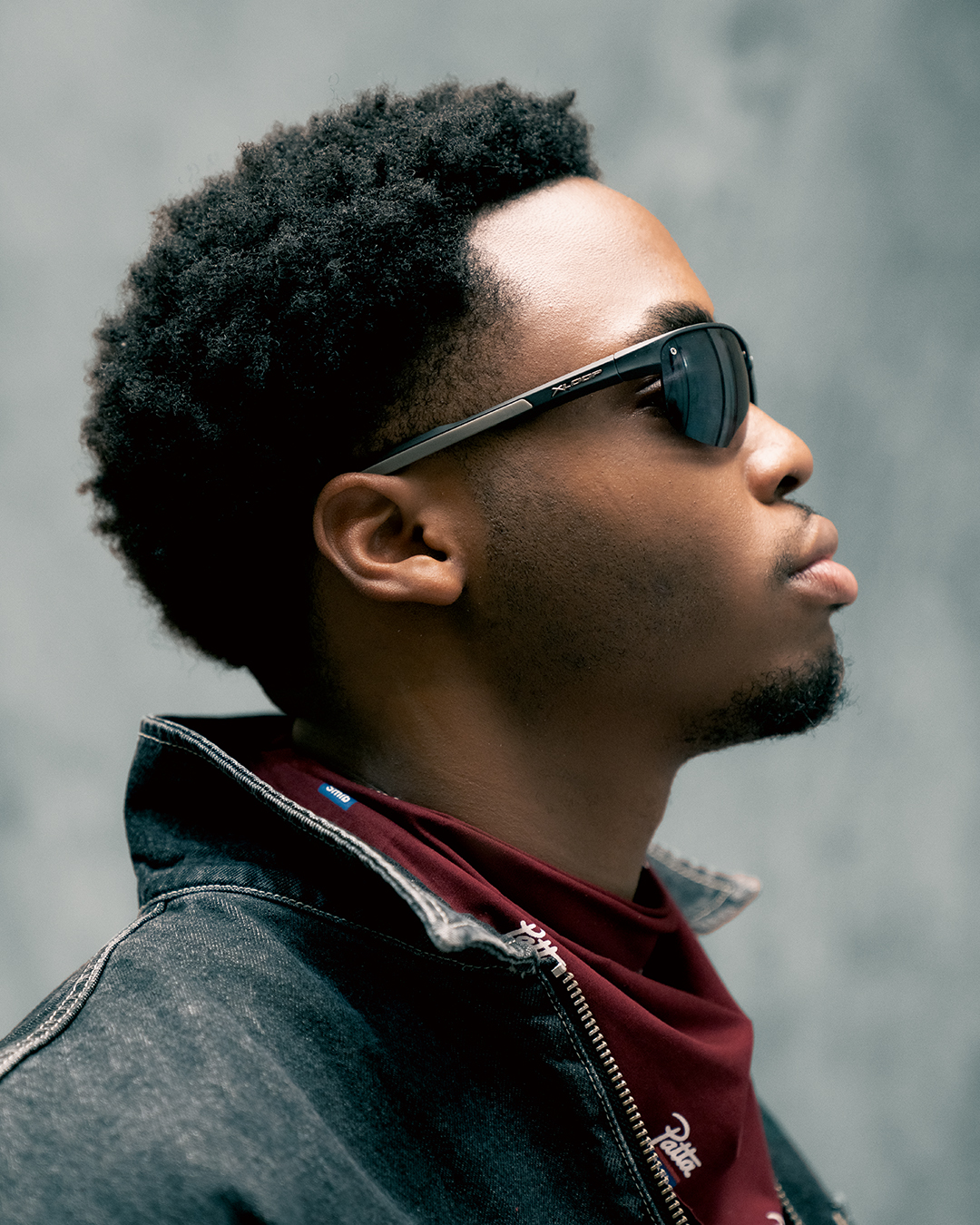
Born Raheem Okoya, Siraheem came into the spotlight by flaunting his status as one of the heirs of billionaire entrepreneur Razaq Okoya. So when his music followed the path of him showing off his wealth and his privilege while leaning into Afrobeats and Amapiano, it was to be expected. Siraheem was one of the first Gen Z artists to start the “Nepopiano” wave, as it is now known. While there have always been Nigerian musicians like Davido who come from wealth, Siraheem is one of the new artists making it a music subgenre. One of his most successful songs that leans into his lifestyle and announces his entrance into the music industry is titled “Bad Bitch Syndrome.”
Ayjay Bobo
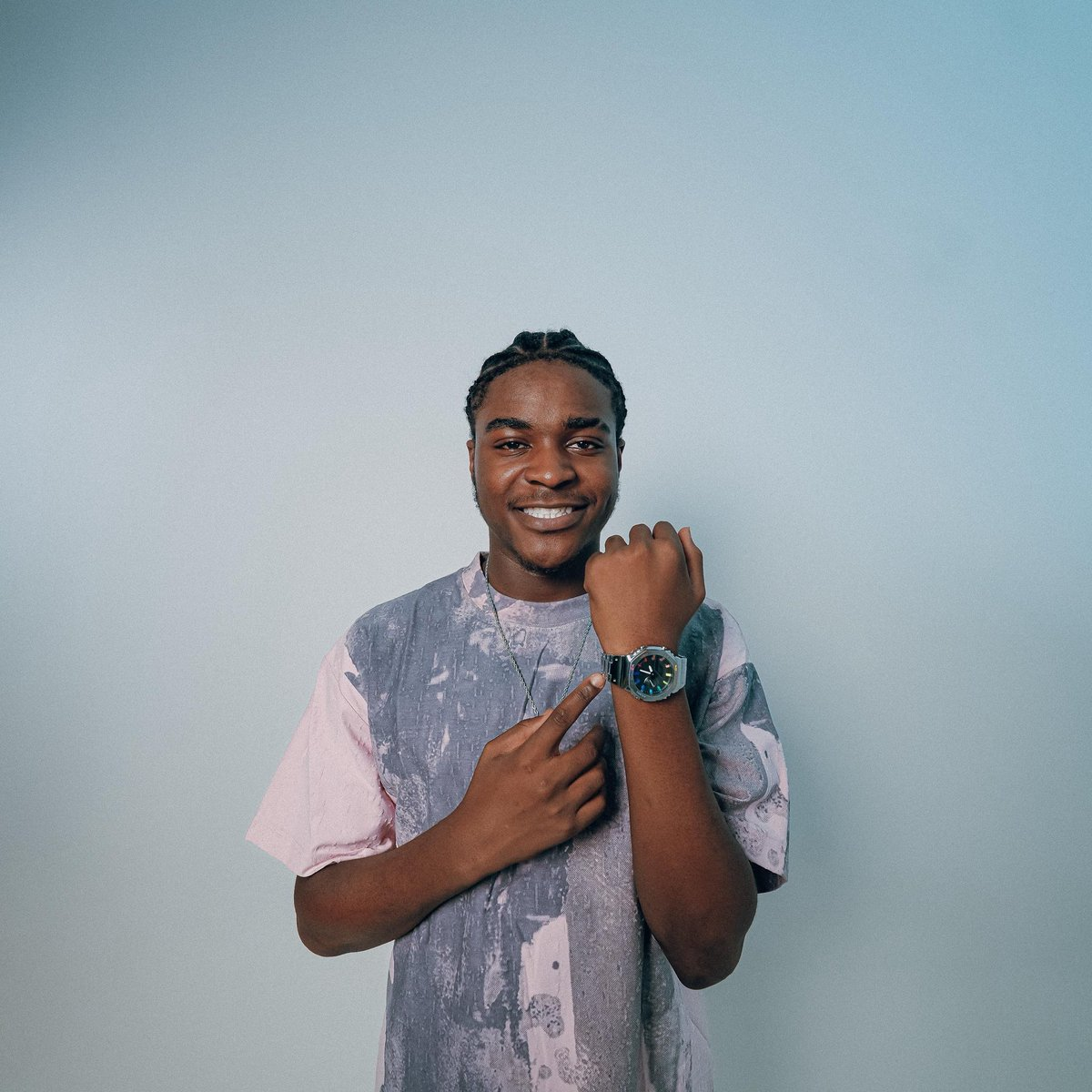
20-year-old Okenewa Peter Favour, professionally known as “Ayjay Bobo,” is one of the voices behind what is now known as the “Nepopiano” anthem, titled “How Far.” Ayjay’s background in underground music and his natural soft touch make him a perfect fit, but most importantly, like his counterparts exploring this sub-genre, Ayjay is putting his reality into his music. His musical breakthrough came in 2025 with the song “How Far,” which came with a co-sign from Davido, one of the biggest Nepo babies in the Nigerian music scene.
Monochrome
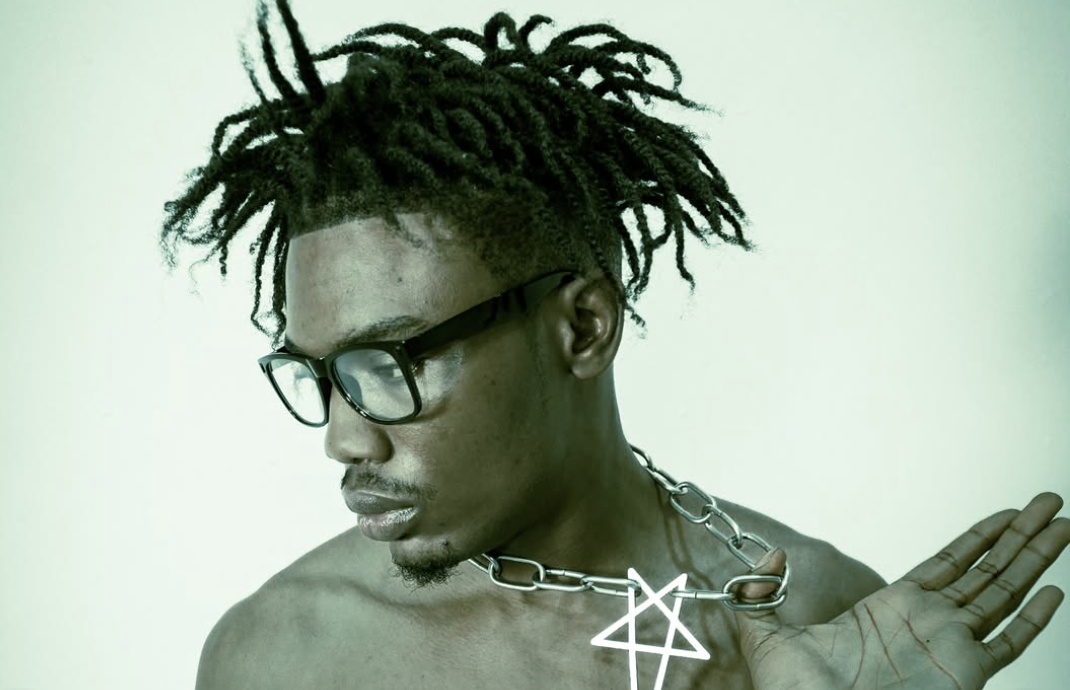
Monochrome, who is also known as 444, may not have disclosed his legal name, but the fast-rising rapper, singer, and producer is one you are probably familiar with. Monochrome is famous for his mix of hip-hop, trap, amapiano, and afrobeat, creating a diverse and fresh sound. His feature with No11 and Ayjay Bobo put him alongside them at the center of the popularity of the “Nepopiano” genre. However, just like the other two in the trio, Monochrome’s lean into the genre is informed by his background, which further demonstrates the concept behind the new and rising sub-genre.
What do we think?
The emergence of a new sub-genre like “Nepopiano” adds a new flair of excitement to the Nigerian music industry. In an industry where artists are sometimes categorised as “trenches” music, the concept of Nepo music stands in stark contrast, making the genre all the more necessary. With singers like Davido and DJ Cuppy, it’s a wonder this sub-genre did not exist before this generation.