
The nominations for the 12th edition of the AMVCA have just been released, and our favorite Nollywood films have been nominated, with some receiving the most nominations for the award season.
This has gotten us thinking: how often do Nigerians watch movies made by other Africans? The nominations list for the AMVCA featured several non-Nigerian movies, and as the AMVCA expands its reach to more African regions, it spotlights the importance of watching films by other African creatives. A key point to note about the 10 African feature films mentioned in this article is that all the movies portray the beauty of African cinema, showcasing our diversity and yet our similarities in a unique way.
One major reason why Nigerians are unable to watch films by other African countries is the unavailability of most of these films to the Nigerian public. Though most of these films can be found on Mubi, in cinemas, or on Amazon Video, for Nigerians, these sites are not readily available, opening up a conversation on the need for African filmmakers to make their films available for viewing for people on the continent by putting them on streaming platforms like YouTube or Netflix.
- Memory of Princess Mumbi (Kenya)
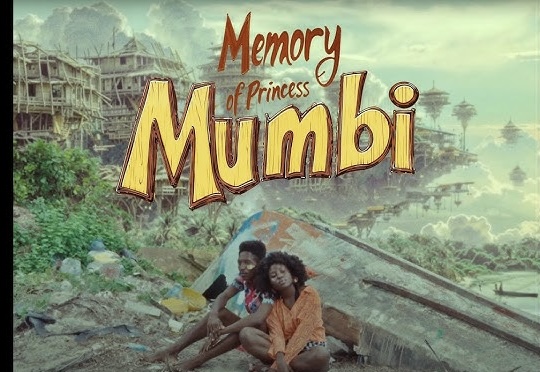
Set in a futuristic world in 2093, this film is a fusion of coastal warmth and the upgraded digital architecture of artificial intelligence and follows the story of a filmmaker who visits a fictional city of ‘Umata’ to document what life looks like after a war bans modern tech. While in the city, he meets Mumbi, a local filmmaker who challenges him to create without the use of AI. Some of the cast members of this film are Shandra Apondi, Ibrahim Joseph, and Abraham Joseph.
- Muganga, The One Who Treats (DR Congo)
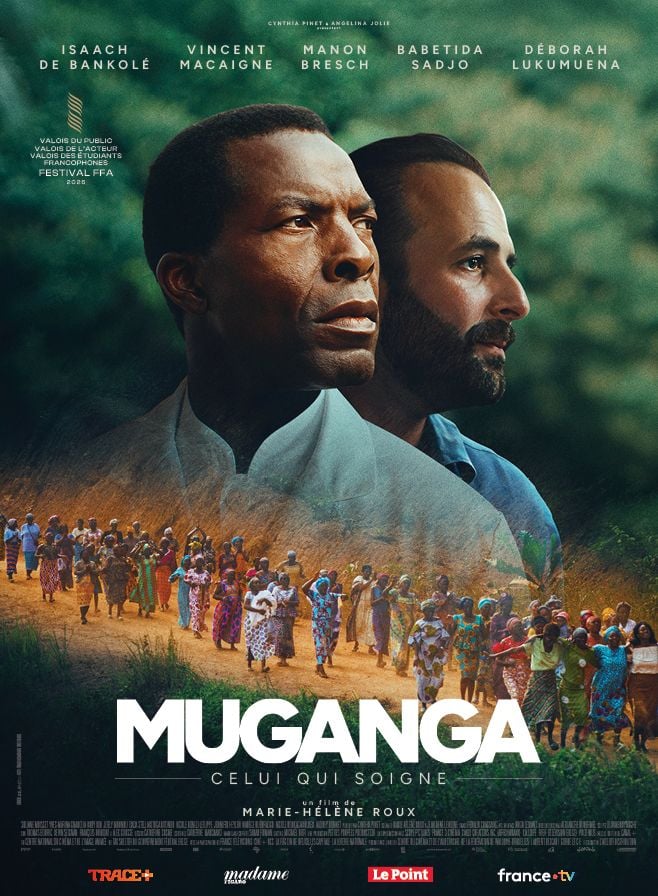
Directed by Marie Roux, this film follows the life of a Nobel Prize winner and Congolese Doctor, Denis Mukwege, who puts his life at risk to help and protect victims of rape and mutilation in the Democratic Republic of Congo. Some of the cast members are Vincent Macaigne, Isaach De Bankolé, and Manon Bresch.
- Matabeleland (Botswana)
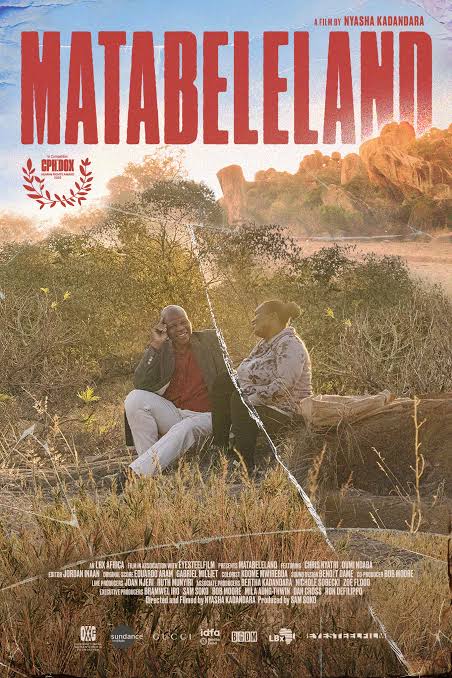
Directed by Nyasha Kadandara, this documentary film focuses on the life of Chris Nyathi, a Zimbabwean living in Botswana, and his struggles with personal and national trauma. The film adopts a more mature outlook on the political figure and delves deeper into the historical context behind his character.
- Minimals in a Titanic World (Rwanda)
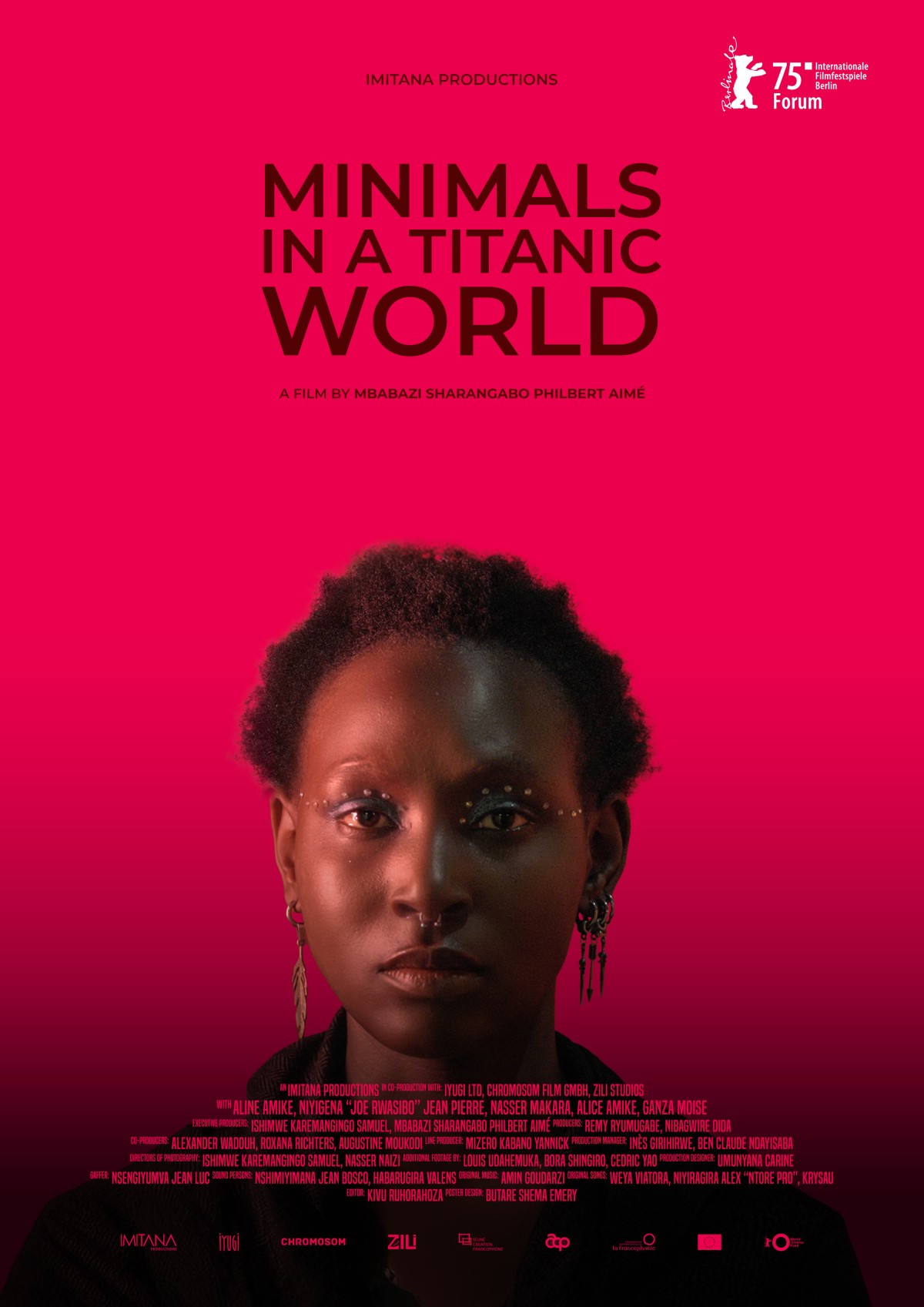
After spending time in prison for assault, a woman learns that her boyfriend died while she was locked up, forcing her to confront her new life while grappling with the grief. In her bid to work through the grief, she finds solace in her boyfriend’s roommate and is stuck with more emotions she has to come to terms with, all the while juggling her career as a musician. Directed by Philibert Aimé Mbabazi Sharangabo, the cast includes Aline Amike and Nasser Makala.
- The Heart is a Muscle (Cape Town)
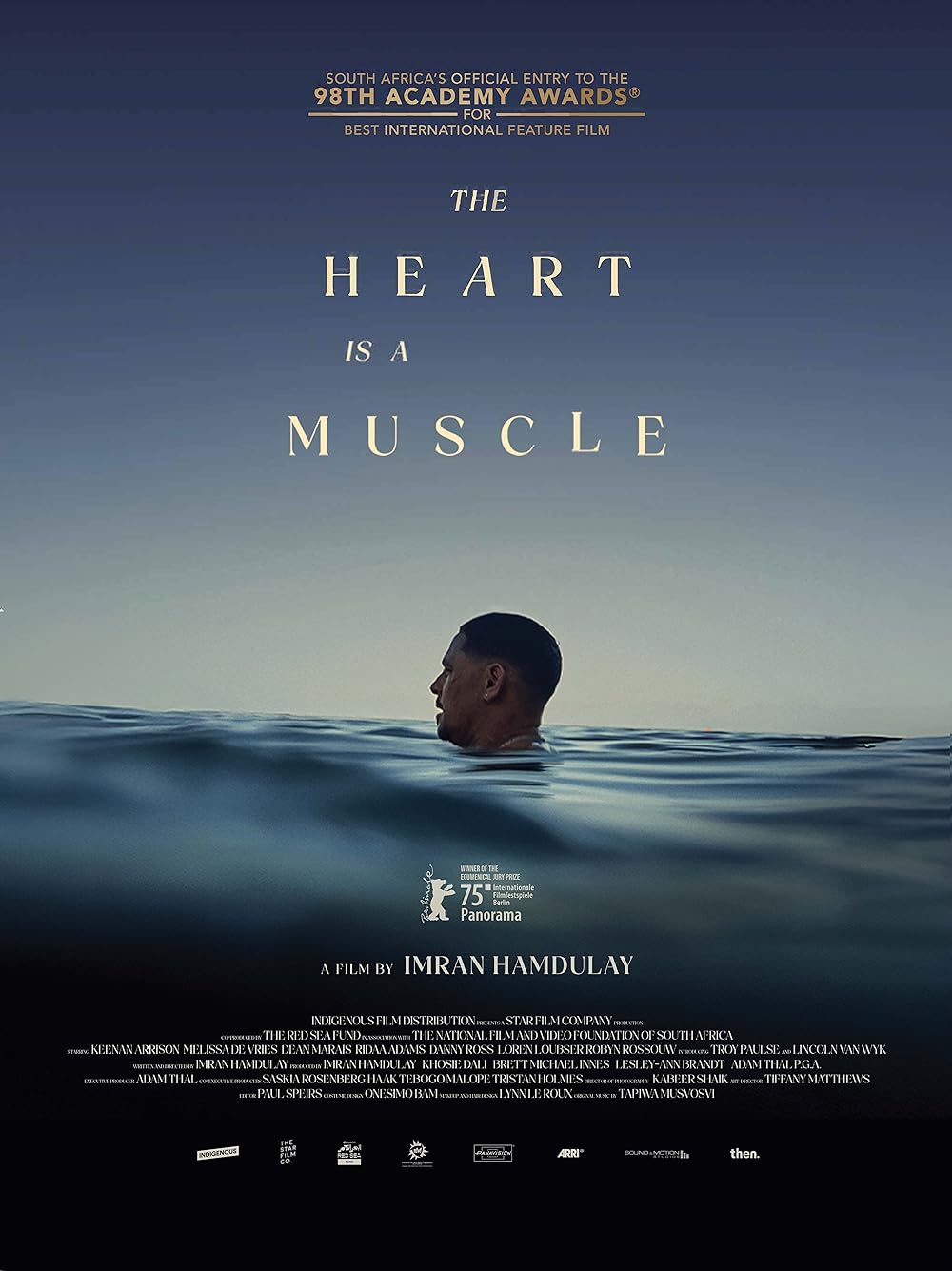
When a man’s son goes missing at a barbecue gathering, and rumors spread about him being spotted in a gang-controlled area, he sets out to save his son and unleashes more violence than he can handle. The film follows him learning to work through his trauma and set aside his past from his future. It was directed by Imran Hamdulay, and the stars include Melissa De Vries, Loren Loubser, Dean Marais, and Keenan Arrison.
- Cotton Queen (Sudan)
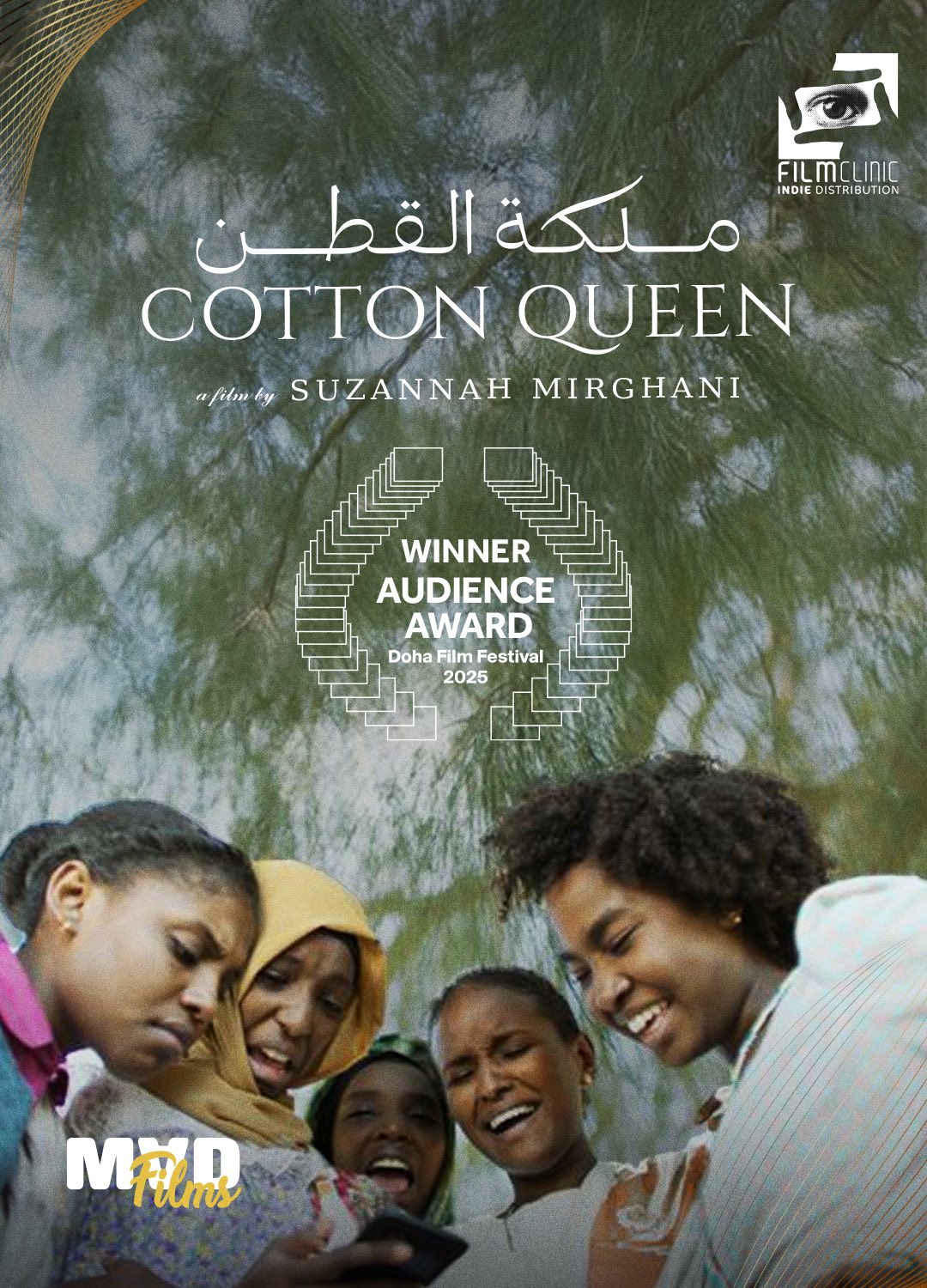
A young woman living in a cotton farming village, raised by her grandmother, who taught her tales of colonialism, faces the trials of her life when a businessman arrives. Nafisa finds herself at the center of a power play involving her community and colonizers over a new development plan. Directed by Susannah Mirghani, it features Mihad Murtada, Rabha Mohamed Mahmoud, Talaat Fareed, Haram Bisheer, Mohamed Musa, and Hassan Kassala.
- Memories of Love Returned (Uganda)
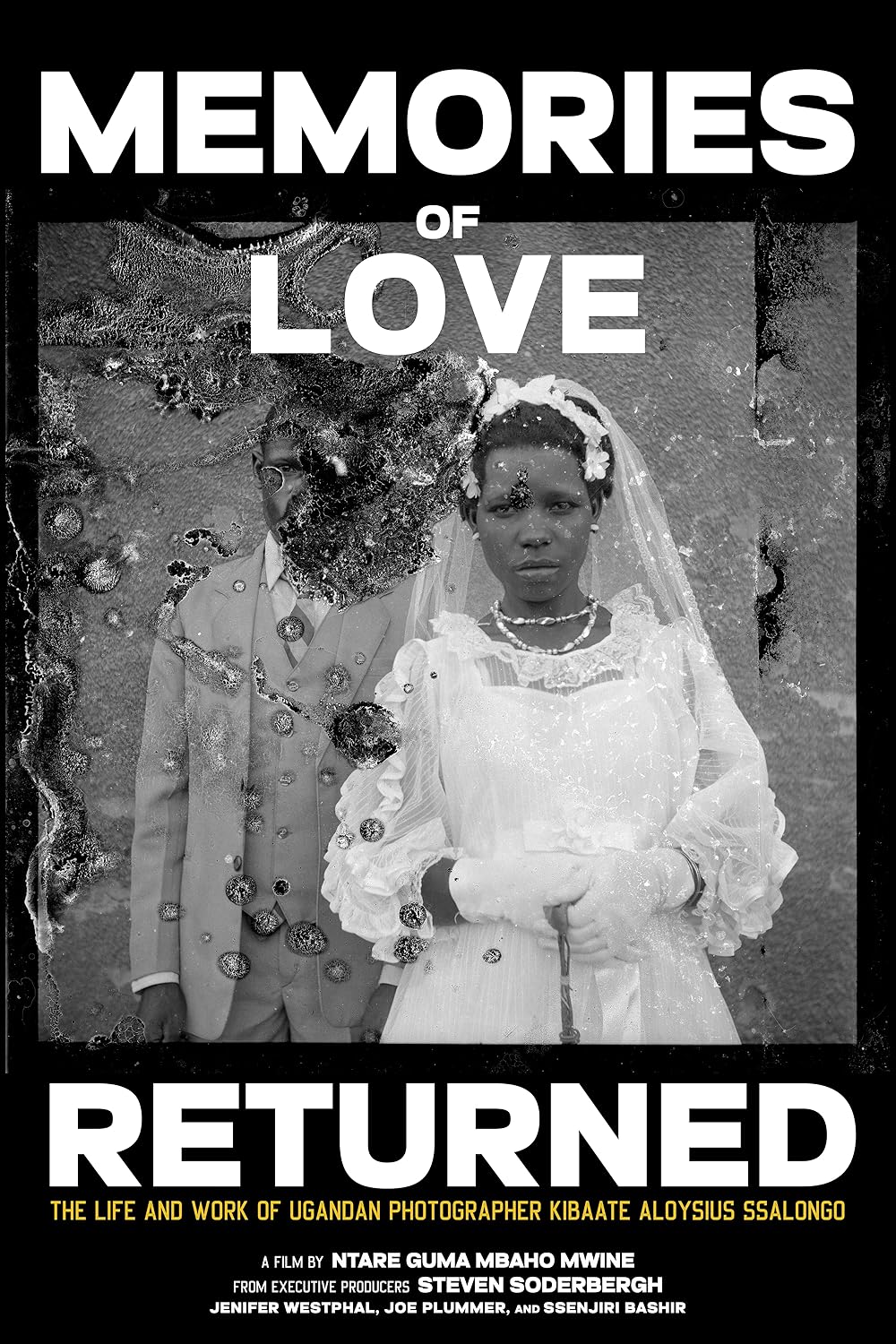
Set in rural Uganda, this documentary film follows a chance encounter in rural Uganda and evolves into a 22-year exploration of community, memories, and the power of photography. It centers on the life of a local photographer whose archives of the past serve as a much-needed bridge to the future. The documentary film was directed by Ntare Guma Mbaho Mwine.
- Ancestral Visions of the Future
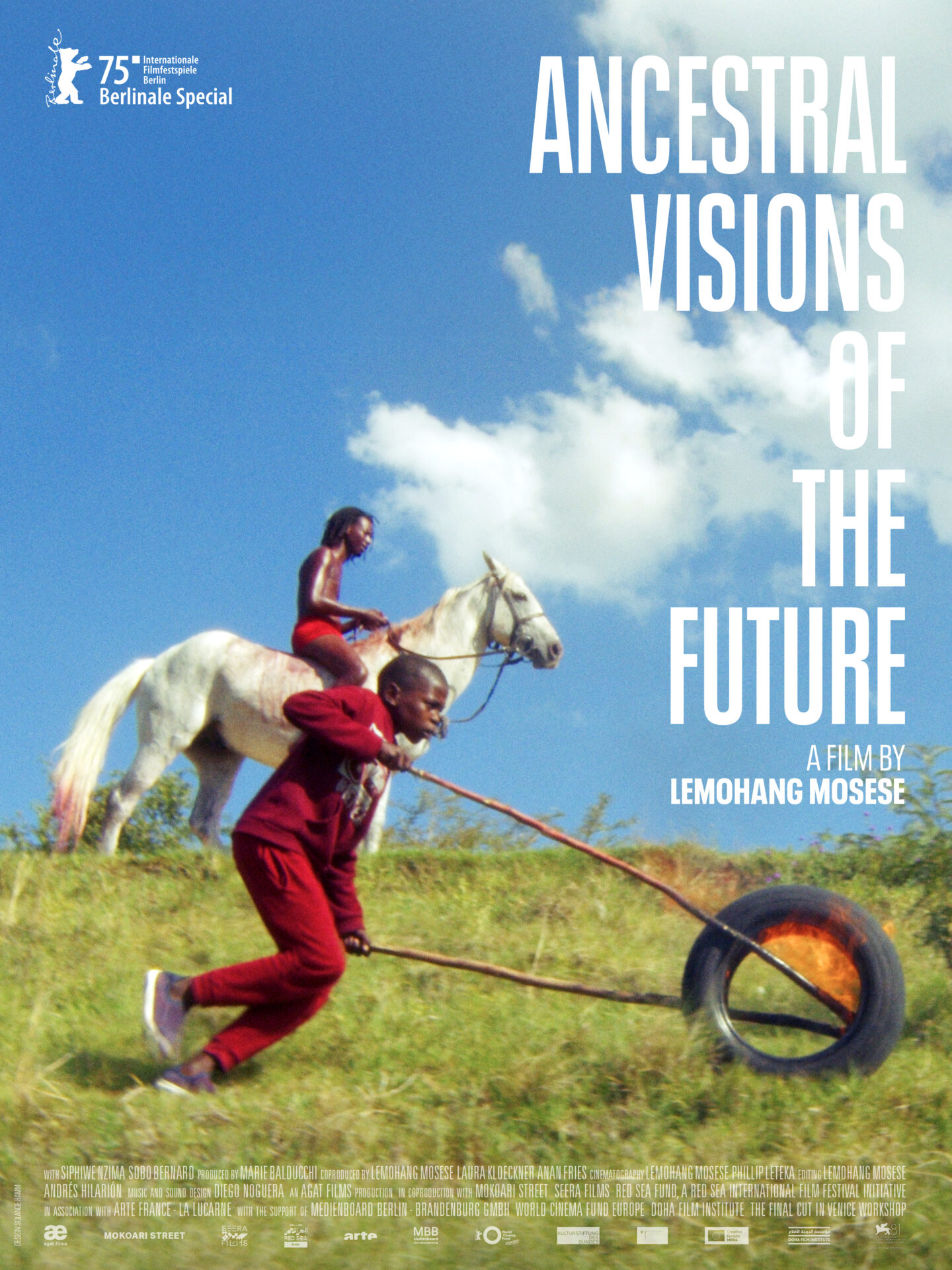
Directed by Lemohang Jeremiah, this docufiction follows the director’s childhood in Lesotho and his adult experience as an exiled citizen in Berlin. Using the narratives of a young boy, a puppeteer, and a market woman, the film explores themes of longing and joy. The film stars Bernardo Lobo Faria, Siphiwe Nzima-Ntskhe, and Mochesane Kotsoane.
- Aisha Can’t Fly Away (Egypt)
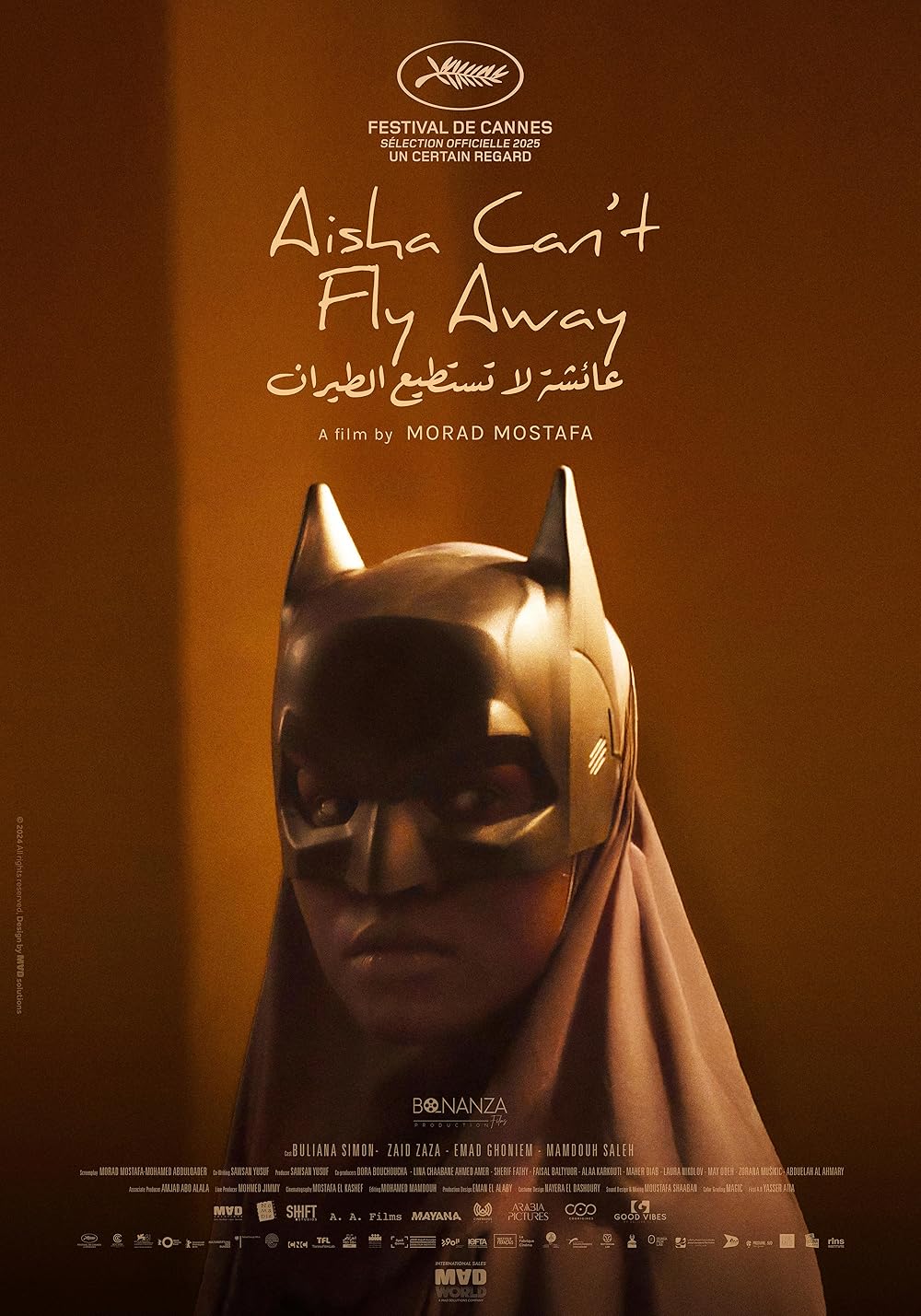
In Aisha Can’t Fly, the titular character is a Sudanese immigrant living in Ain Shams, a neighborhood in Cairo, Egypt. Where she discovers that even after fleeing war, she is still fighting through a life of navigating layers of cruelty she did not imagine were possible. She meets several people who expose her to a life unlike what she expected, forcing her to grapple with the fear that her dreams of a peaceful life will never come to reality. The film was directed by Morad Mostafa in his directorial debut and features Buliana Simon, Ziad Zaza, Mamdouh Saleh, Emad Ghoniem, Maya Mohamed, and Mohamed Abd El-Hady.
- The Eyes of Ghana (Ghana)
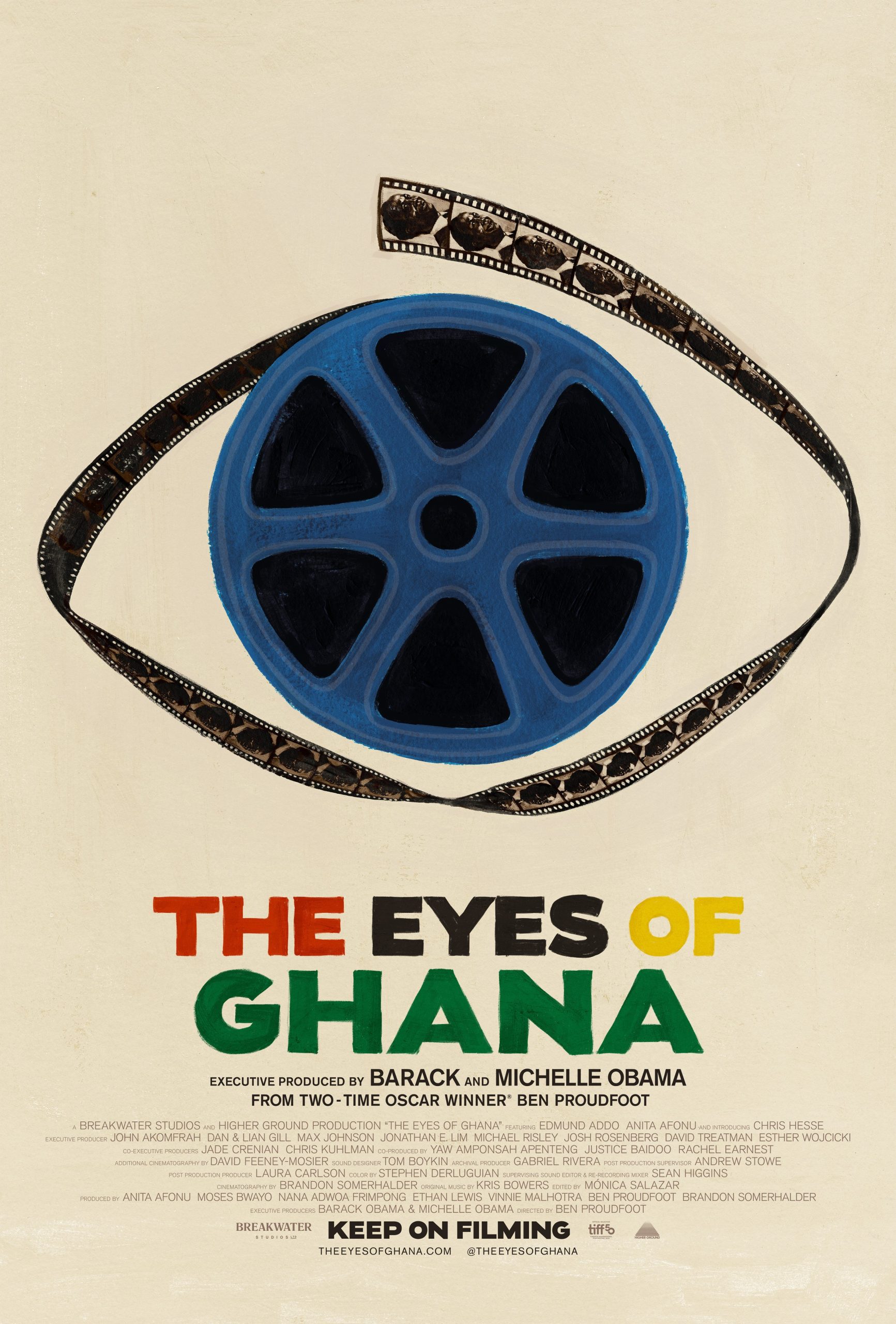
The Eyes of Ghana tells a Ghanaian story of a veteran cinematographer who races against time to preserve and restore invaluable film archives documenting Ghana’s earliest years of independence. It follows his personal journey with a broader view of history and cultural reflections, and a celebration of his commitment to cinema as both history and art. The African feature film was directed by Ben Proudfoot and features the film’s main characters, Chris Hesse, Edmund Addo, and Anita Afonu.