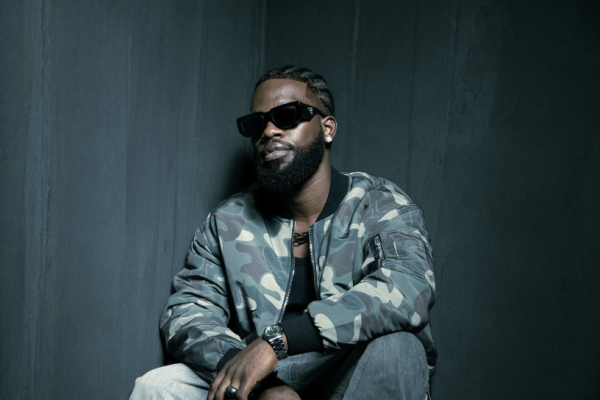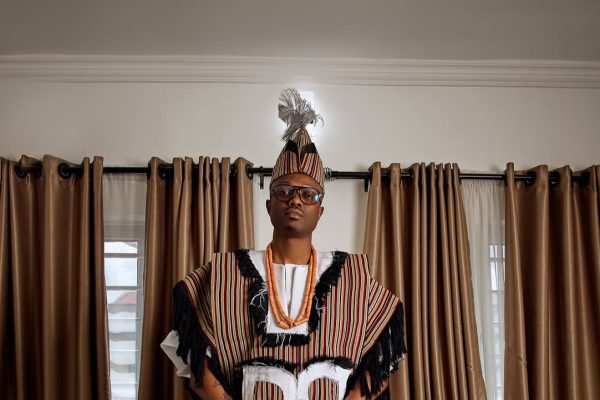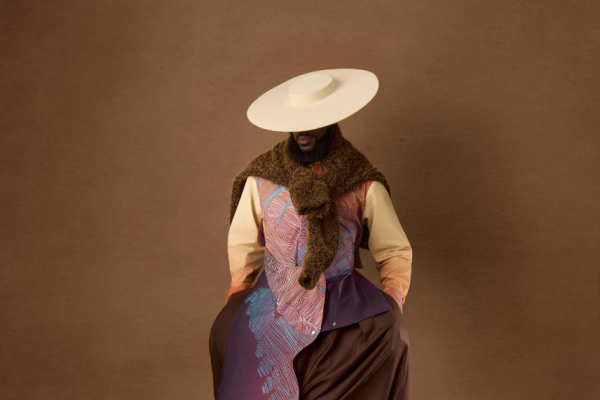



Fashion has quietly become one of Nigeria’s most powerful cultural exports. From meticulously crafted bridal looks to experimental runway pieces that travel far beyond Lagos, Nigerian designers are no longer dressing only local audiences. They are shaping global conversations around style, identity, and African creativity.
As the industry grows, one question keeps coming up: could fashion overtake music as Nigeria’s most influential cultural export?
From Local Craft to Global Visibility
Nigerian fashion has always been rich in detail, storytelling, and craftsmanship. What has changed in recent years is visibility. Designers are no longer limited to local clients or diaspora communities. Through better marketing, stronger branding, and the global reach of social media, Nigerian fashion has found an international audience that is paying attention.
Influencers, celebrities, and stylists now actively source Nigerian designers, not as novelty acts, but as serious fashion players. Lagos Fashion Week has also played a major role in this shift, becoming a global touchpoint for discovering new African talent.
The Fifteen Percent Pledge Moment
The 2026 Fifteen Percent Pledge Fundraising Gala marked a defining moment for Nigerian fashion on the global stage. Nigerian brands such as Tia Adeola, House of Marvee, Onalaja, Weiz Dhurm Franklyn, and Hertunba stood out as some of the most talked-about designers of the night.
Celebrities, including Olandria from Love Island, Quenlin Blackwell, Ayra Starr, Chloe Bailey, Jackie Aina, Serayah from Empire, Marvella, and Eni Popoola, all appeared in Nigerian-designed pieces. The moment felt less like representation and more like recognition. Nigerian fashion was not being included; it was being showcased.
Lagos Fashion Week and the Viral Effect
Long before the gala, Lagos Fashion Week had already begun shifting global attention. In 2025, runway pieces by designers such as Onalaja and Hertunba went viral across international fashion media, earning praise for their construction, originality, and cultural grounding.
These moments mattered because they reframed perceptions of Nigerian fashion. Not just as traditional wear or wedding aesthetics, but as contemporary, experimental fashion that can compete on any runway.
Wedding Culture as the Original Runway
Interestingly, much of the global curiosity around Nigerian fashion began with weddings. Lavish ceremonies, bold fabrics, and dramatic silhouettes consistently went viral online, turning Nigerian wedding fashion into an unofficial global showcase.
These moments highlighted a key strength of Nigerian designers: the ability to merge culture, luxury, and spectacle in a way that feels authentic and aspirational. What started as a local celebration evolved into international fascination.
Fashion as Soft Power and Economic Potential
The growing presence of Nigerian designers at international events signals a broader trend. Nigeria’s soft power is expanding beyond music into fashion, media, and visual culture. As Afrobeats opened doors globally, fashion now seems poised to walk through them.
Beyond cultural influence, fashion exports carry real economic potential. International demand can drive tourism, manufacturing, job creation, and global partnerships. If properly supported, fashion could become one of Nigeria’s most sustainable creative industries.
So, What Comes Next?
Nigerian fashion is no longer emerging. It has arrived, and the world is watching. The challenge now lies in infrastructure, funding, and long-term support to ensure designers can scale without losing their creative identity.
If the current momentum continues, fashion may very well become Nigeria’s most visible and influential cultural export, standing alongside music, film, and art as a defining symbol of the country’s global presence.