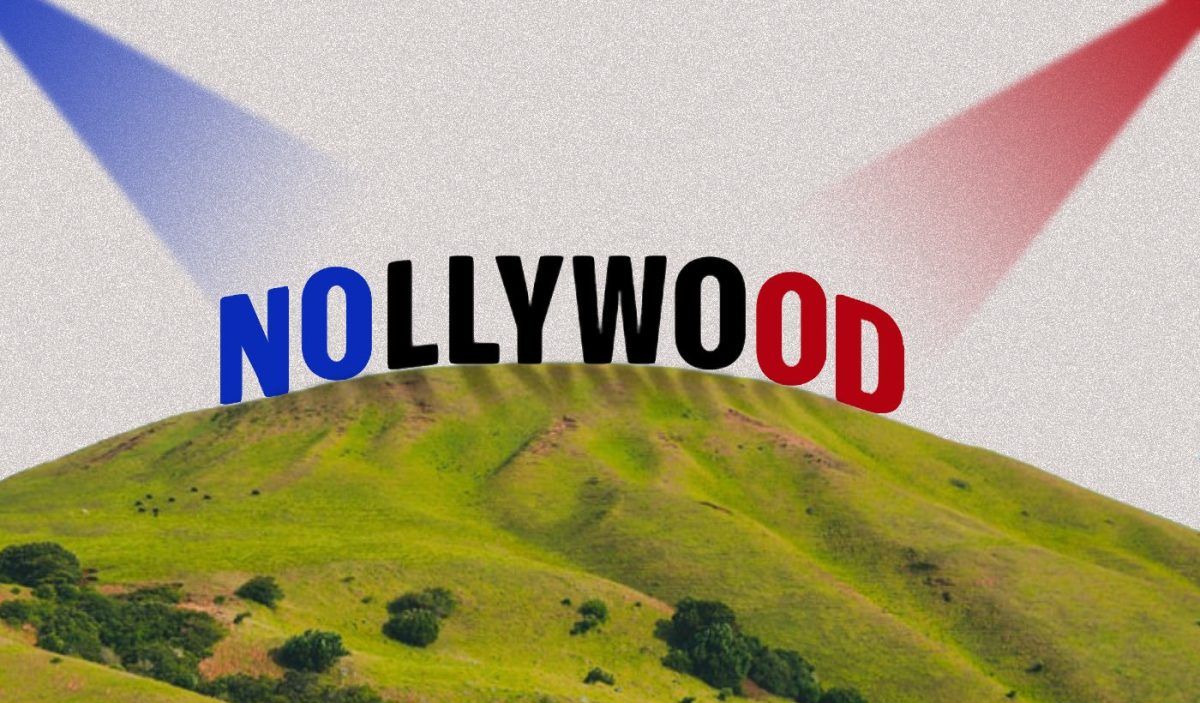


X timelines routinely erupt in celebration when a local movie secures a global streaming deal on Netflix or Prime Video. These acquisition announcements generate massive engagement and validate the commercial appeal of African stories. Meanwhile, foreign venture capital firms are quietly executing a different strategy behind the scenes by acquiring the actual domestic distribution networks. Industry stakeholders like Lala Akindoju note that “financiers need clarity on how they get their money back.” Nollywood is trading long-term institutional ownership for short-term production liquidity.
What Does Selling Distribution Infrastructure Actually Do for Nollywood?
Surrendering physical and digital distribution pipelines fractures the financial future of the Nigerian film industry. Filmmakers secure larger upfront budgets today by selling off the core infrastructure they’ll need to monetize tomorrow’s output. Global streaming platforms rent our cultural products for limited windows. Private equity firms are buying the toll roads those products must travel across Africa. This creates a permanent dependency loop where local creators generate the baseline cultural value but external stakeholders extract the backend profits. The Nollywood ecosystem produces highly profitable entertainment. Yet, the people financing the sets are forfeiting the syndication rights. We secure higher production budgets while permanently locking ourselves out of the ownership class.
The Commercial RealityThe private equity takeover of Nollywood distribution mirrors a classic capital extraction model. Foreign investment funds deploy capital to build production capacity, and they demand equity in the distribution networks in return. Investors control the monetization pathways long after a specific film leaves the cinema. If a foreign fund owns the local streaming aggregator or the regional cinema chain, they dictate the revenue split for every African film. We’re celebrating the immediate cash injection without analyzing the long-term cost of capital. Creators must recognize that infrastructure ownership beats production funding. A booming film industry without sovereign distribution channels becomes an outsourced content farm. African talent will remain unpaid inventory for secondary platforms until we own the distribution pipelines.