


By Michael Isaac
In Nigeria, conversations around men’s emotional well-being are often muted, buried beneath expectations of strength, stoicism, and silent endurance. For many young men, vulnerability is still perceived as weakness, and access to mentorship remains uneven. Yet, across unexpected platforms, these narratives are beginning to shift.
One such platform is pageantry.
As the Misters of Nigeria competition unfolds, Adetuwo Temitope Alex, representing Oyo State, is deliberately using the spotlight not just to compete but to challenge long-standing assumptions about masculinity, leadership, and emotional health.
Born in Lagos in 1997 and raised in a culturally grounded Yoruba household, Temitope’s personal journey mirrors the complexity of modern Nigerian masculinity. He is professionally trained as a microbiologist and works as a procurement and supply chain specialist within the oil and gas sector, a field defined by structure, precision, and accountability. In this environment, decisions are data-driven, systems-orientated, and often unforgiving of error.

Yet, beyond spreadsheets and supply chains, Temitope inhabits a different kind of discipline: creative expression. Where his corporate work demands control and logic, his creativepursuits allow emotional expression and storytelling, a balance that quietly informs his advocacy today.
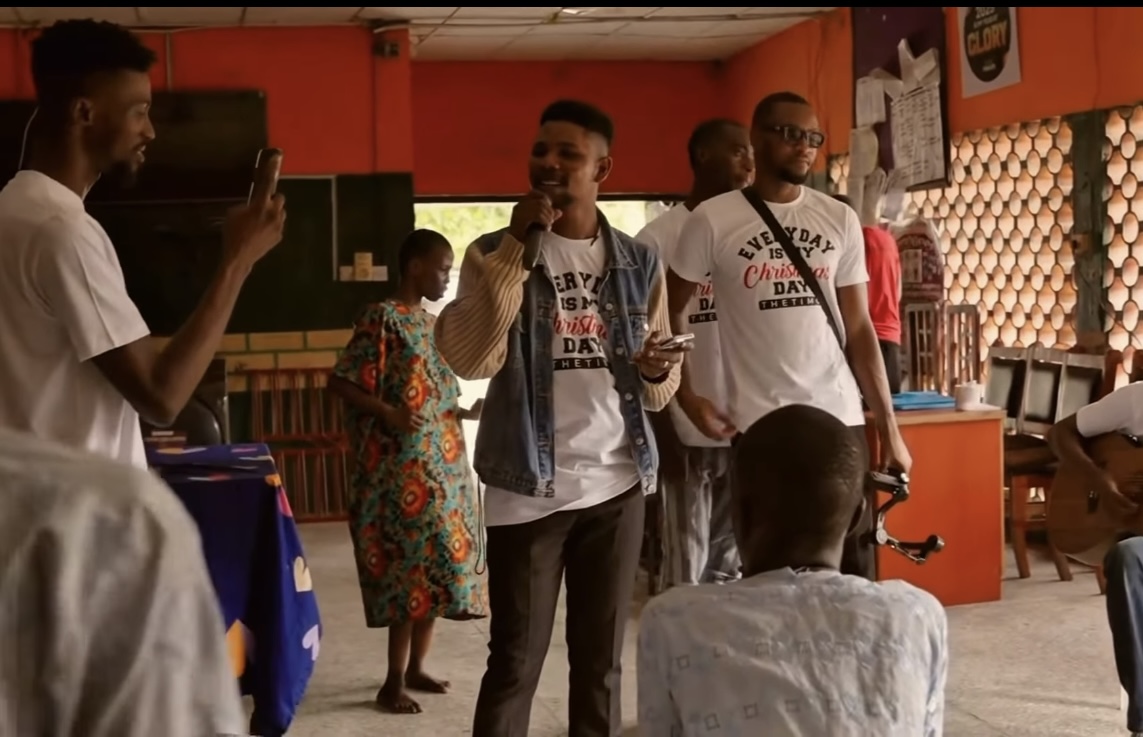
That advocacy took formal shape in 2024 with the founding of Men Can Be Vulnerable, a mental health and mentorship initiative designed to support boys and young men through guided conversations, mentorship programmes, and community engagement. The initiative responds to a reality that many Nigerians recognise but rarely confront publicly: young men are struggling, often in isolation.
Across Nigeria, social pressures, economic uncertainty, fractured family structures, and limited access to mental health resources have left many boys navigating adulthood without guidance or safe spaces to speak honestly. Men Can Be Vulnerable addresses this gap by creating environments where emotional awareness is not stigmatised, and where mentorship is framed as a necessity rather than a privilege.
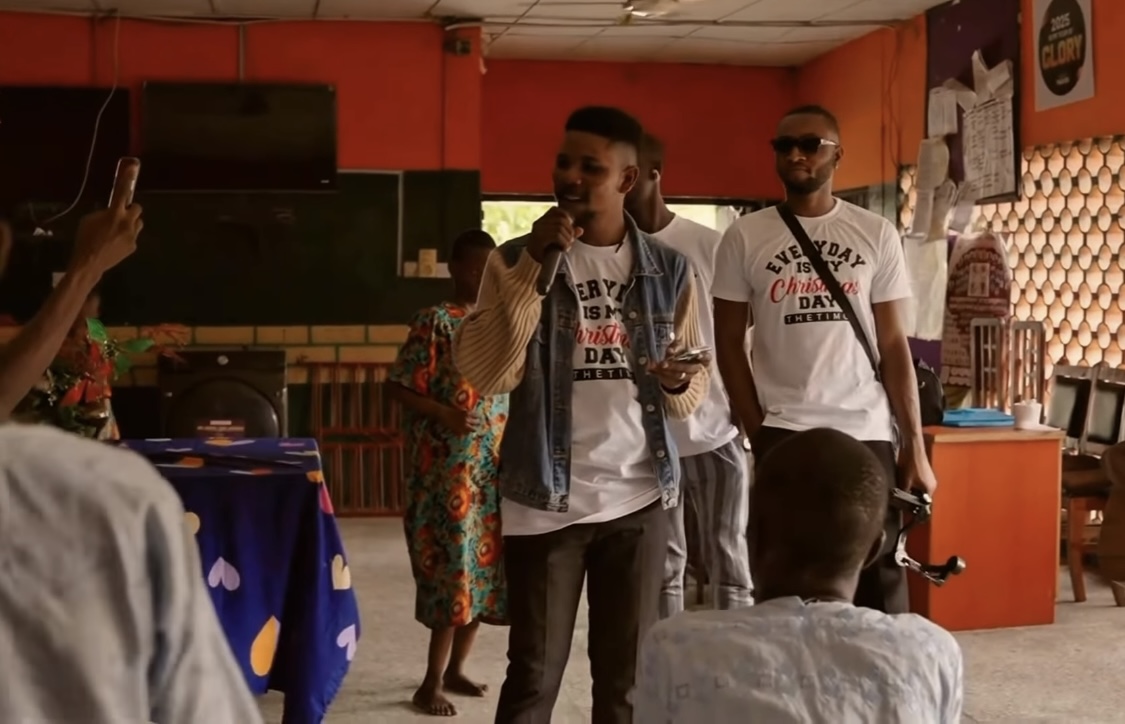
Through targeted outreaches, partnerships, and engagements with groups of young men and individuals facing social challenges, Temitope’s work centres on confidence-building, emotional literacy, and positive role modelling. The goal is not therapy alone, but direction, helping participants understand identity, purpose, and self-worth in a society that often measures men only by output and resilience.
“Many young men simply need to know they are not alone,” Temitope reflects. “Sometimes, access to guidance and honest conversation can change the trajectory of a life.”
It is this philosophy that shapes his approach to pageantry.

For Temitope, Misters of Nigeria is not an aesthetic contest alone, but a vehicle for representation and service. It offers visibility, and with visibility comes responsibility. By stepping onto the national stage, he is reframing pageantry as a space where professionalism, cultural identity, emotional intelligence, and social impact can coexist.
Representing Oyo State, he draws on Yoruba values of community, mentorship, and collective responsibility, values that emphasise leadership through service rather than dominance. His presence subtly challenges a narrow definition of masculinity, presenting instead a model where discipline and empathy reinforce each other.
In a society where men are often taught to endure rather than express, Temitope’s story raises an important question: what happens when visibility is used not just to impress, but to intervene? As the competition continues, Adetuwo Temitope Alex stands out not solely for poise or presence, but for purpose. His journey illustrates how modern Nigerian men can lead across corporate, creative, and social-impact spaces, and how platforms like pageantry can be repurposed to advance conversations that matter.
In doing so, he offers a quiet but compelling reminder: strength is not diminished by vulnerability, and leadership is most effective when it makes room for humanity.