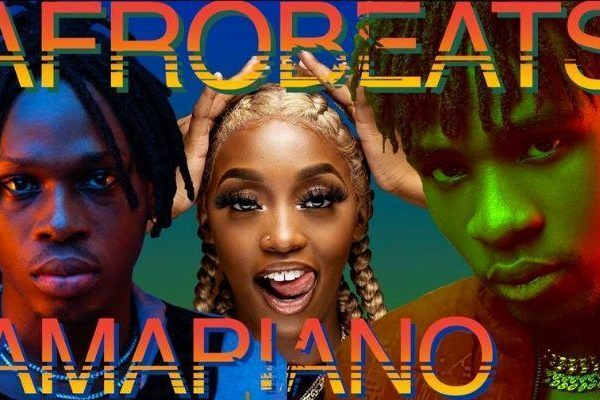
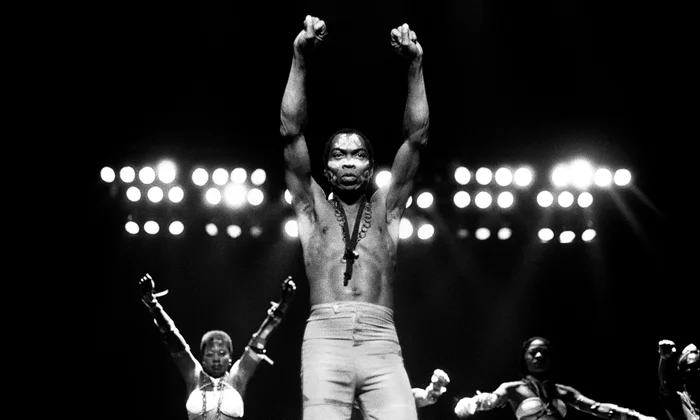


Recent social media debates involving Wizkid and Seun Kuti have reignited conversations around the legacy of Fela Anikulapo Kuti. While the discourse has been loud, it has also revealed a gap in understanding of just how foundational Fela’s work remains to Nigerian and global music culture. Fela was not simply an artist of his time. He was the blueprint.
Long before Afrobeats became a global export, Fela had already defined Afrobeat as a genre rooted in African identity, political resistance, and musical excellence. His influence continues to ripple across generations, industries, and borders.
The Architect of Afrobeat
Fela Kuti’s contribution to music goes beyond hit records. He created Afrobeat by blending jazz, funk, highlife, Yoruba percussion, and politically charged storytelling. His career as a bandleader, activist, and cultural critic spanned over three decades and reshaped the role of the African musician.
His impact remains so significant that in 2026, nearly thirty years after his death, he was posthumously awarded a Lifetime Achievement Award at the Grammy Awards and described as the “Architect of Afrobeat.”
Wizkid and the Modern Afrobeat Sound
Wizkid represents one of the clearest examples of Fela’s rhythmic influence in modern Afrobeats. His song “Joro” draws inspiration from Fela’s “Zombie,” reworking its core rhythm for a contemporary audience. While Wizkid operates in a more melodic and global pop space, the Afrobeat foundation laid by Fela is unmistakable in his music.
Burna Boy: Music as Protest and Performance
Burna Boy’s connection to Fela is both musical and ideological. From sampling Fela’s records to adopting his commanding stage presence, Burna Boy has consistently acknowledged Fela as a major influence. More importantly, Burna mirrors Fela’s belief that music should challenge injustice. His politically charged lyrics and public commentary echo the activist spirit that defined Fela’s career.
Femi and Seun Kuti: Carrying the Legacy Forward
Fela’s sons, Femi Kuti and Seun Kuti, have played a critical role in sustaining Afrobeat as a living genre. Both artists draw directly from their father’s sound and philosophy while developing individual artistic identities. Through their music and performances, they ensure that Afrobeat remains rooted in its original purpose rather than becoming a diluted trend.
Oritse Femi and the Commercial Revival of Afrobeat
Oritse Femi’s breakout success came through “Double Wahala,” a remake of Fela’s “Confusion Break Bone.” The song earned him major award recognition and demonstrated how Fela’s music continues to resonate commercially when reinterpreted for new audiences. This success highlights the timelessness of Fela’s compositions.
Global Influence: Beyoncé and Beyond
Fela’s reach extends far beyond Nigeria. Beyoncé has cited his artistry as an inspiration, incorporating Afrobeat elements into her 2018 Coachella performance and her song “End of Time.” These references signal Fela’s influence on global pop culture and reinforce Afrobeat’s place on the world stage.
Activism Beyond Music
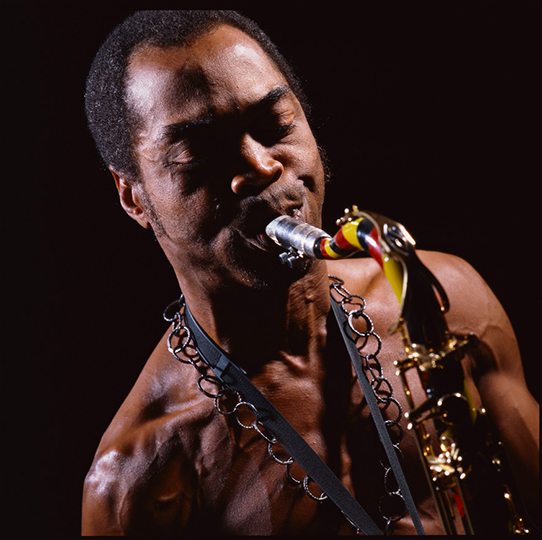
Fela’s legacy is not confined to sound. His fearless activism inspired a generation of Nigerian artists to speak openly about corruption, inequality, and governance. Artists like Burna Boy and Falz continue this tradition, using music as a tool for social commentary in ways that directly reflect Fela’s influence.
His life has also been immortalized through documentaries, films, and stage productions, including “Fela” and “Fela: The Musical,” ensuring that his story remains accessible to both local and international audiences.
What We Think
Fela Anikulapo Kuti was not simply influential. He was foundational. The global success of Afrobeats today rests on the cultural, musical, and ideological groundwork he laid decades ago. The artists who dominate the charts now operate within a system Fela helped create. His legacy is not up for debate. It is embedded in the sound, the spirit, and the future of African music.