

Men’s Mental Health Month is a time for us to reflect on the ways men’s cries for help are often ignored or used as the butt of the joke in society. The Nigerian music industry has had one too many cases of male artists crying for help and not receiving the help they deserve due to society’s belief that men should not be vulnerable.
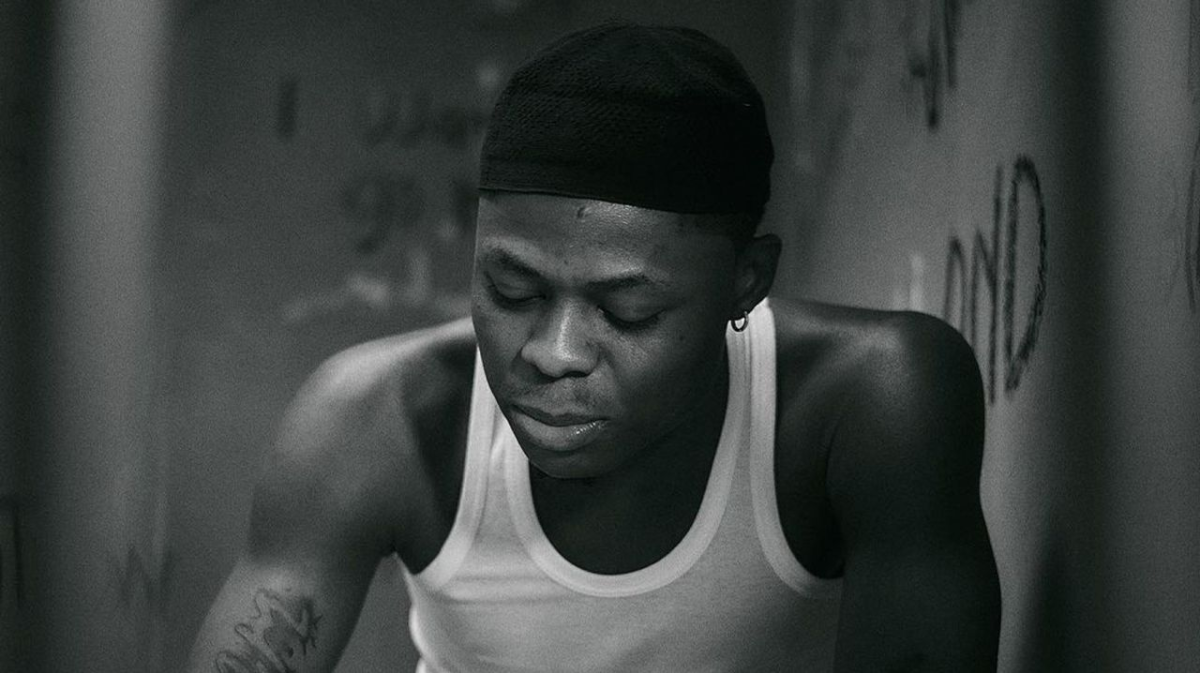
After Mohbad’s death, reports began to go out that the singer had spoken about the bullying and struggles he was facing in the industry, but it did not gain traction till he died. It has us wondering, how often have men in the industry died or lost their careers due to the lack of urgency on male mental health awareness in Nigeria?
What Does Mohbad’s Death And Crayon’s Social Media Lashout Expose About The Nigerian Music Industry?
Mohbad’s death was a great tragedy for the Nigerian music industry, but even more devastating is the knowledge that his cry for help was ignored. The singer, who had been facing issues with his management, had spoken about his struggles and the pressure he was facing both on social media and in his music, but nothing was truly clear until he died.
Likewise, former Mavin’s singer “Crayon,” who took to his X (formerly Twitter) to go on an emotional rant about his mental struggles after the loss of his mother, was met with disdain from Nigerians and silence from the music community.
Mohbad and Crayon are not the only instances in which the music industry has overlooked the struggles of male artists. Omah Lay and Solidstar, amongst others, have had public breakdowns that have either been linked to a drug problem or seen as financial disputes between the artists and their labels. However, what this silence from the industry exposes is a lack of care for the mental healthcare or emotional support for these male artists who are thrown into an industry that sees vulnerability as weakness.
It shows that there are no systems set in place to manage the mental toll that being an artist can take on these men, and it also leaves them to become victims of addictions, sometimes leading to their death. The Nigerian music industry is a reflection of a society that does not cater to the mental healthcare that men need.
How Can Nigeria’s Music Industry Address Male Artists’ Mental Health Crisis?
The music industry can cater to Nigerian male artists by dismantling traditional masculinity norms and proactively offering confidential counselling while also building peer mentorship networks. It is important for the industry to normalise mental health discussions at the label and management levels. Bullying and abuse faced by artists from management must also not be overlooked and instead treated as an emergency. Other ways the music industry can support these artists are:
- Promoting Male Advocates
Highlighting influential male figures who openly discuss mindfulness, meditation, and therapy to make seeking help mainstream.
- Realistic Scheduling
It is important that schedules created for these artists do not induce burnout that eventually leads to spirals. When these male artists feel cornered and overwhelmed with the pressure and demand to show up, it can affect their mental health. It is up to the label to create schedules that are realistic and effective.
- Discussing Addictions And Preventions Openly
Addictions are often spoken about in whispers in the industry, which is counterproductive as it leaves these artists without the support they need. If addictions and their prevention start becoming a part of day-to-day conversations, these male artists can easily seek help when they fall into the hole of addiction.
What do we think?
The industry can be isolating for men, as they are expected to thrive in a space that does not encourage vulnerability. To ensure male artists feel supported and seen, the Nigerian music industry has to make changes to how emotional and mental illnesses are handled, both publicly and privately.