

Over the past decade, Lagos’ real estate market has increasingly come under public scrutiny as housing has become increasingly unattainable for the average resident of Nigeria’s largest city. What was once a difficult market has now turned into an exclusionary one, where rent and property prices feel increasingly detached from the lived realities of most Lagosians.
The shift became particularly noticeable around 2020, when rent prices across the city spiked sharply. Homeowners, developers, and agents introduced what many residents described as cash-grab pricing, not only for rental apartments but also for properties listed for sale. What followed was the normalisation of inflated prices that never truly corrected themselves.
This elitist pricing culture has since seeped into the short-let market, where the situation becomes even more alarming during festive and holiday seasons. Rates often rise to extreme levels, placing short-term accommodation firmly out of reach for most Nigerians.
In 2025, Nigerian-American artist Uzo Njoku shared her experience on X while searching for a short-let apartment during a visit to Lagos. Her post sparked widespread discussion and highlighted just how deeply entrenched elitism has become in the city’s housing market. Listings priced in thousands of dollars ignited public outrage, with many questioning how such figures could be justified in a city where infrastructure and basic services remain inconsistent.
Lagos real estate is a market driven by trends, and one of its most persistent is the seasonal spike tied to major holidays, particularly Detty December. With an influx of diaspora Nigerians and foreign visitors who are assumed to have stronger purchasing power, prices are often raised to capture this market.
The issue, however, is that these inflated prices rarely come down after the festivities end. Instead, they become the new baseline. Even when reductions occur, they seldom return to their original levels. This pattern applies not only to short-term rentals but also to long-term housing across the city.
Travel creator and lawyer Mochievous further illustrated this reality when she revealed on X that she had been quoted $50,000 for a two-bedroom apartment in Lagos. While not the most extreme figure to surface online, it underscores how far pricing expectations have drifted from the economic realities of most residents.
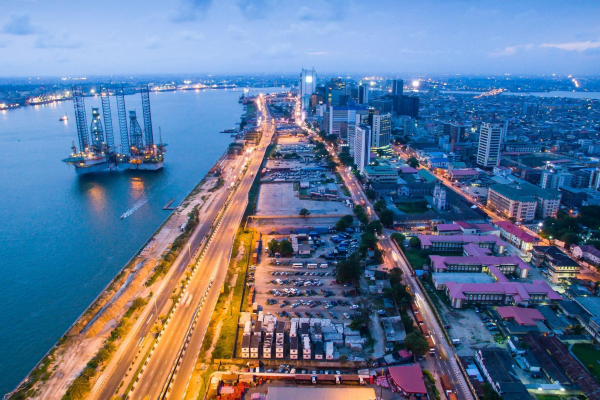
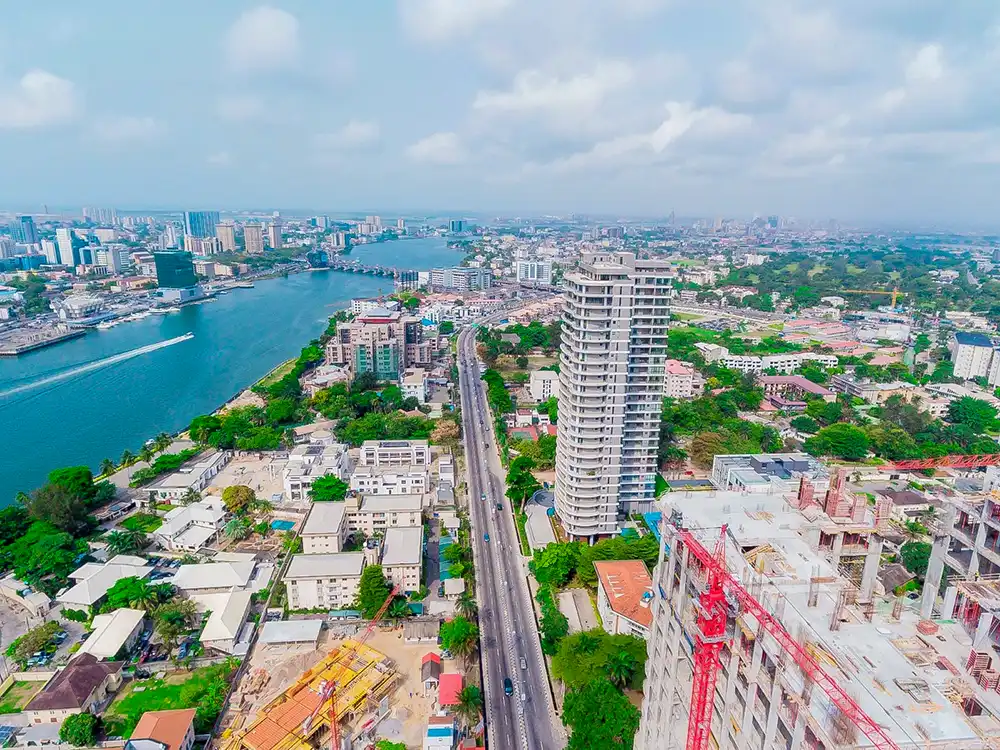
Lagos is widely regarded as Nigeria’s megacity, and while the real estate sector appears to be booming, this growth is not reflected in the city’s infrastructure or overall quality of life. Many so-called high-end neighbourhoods remain vulnerable to flooding, especially during the rainy season. Residents often find themselves navigating dilapidated roads or passing through impoverished communities to reach gated estates marketed as elite.
In many cases, luxury developments sit uncomfortably beside struggling communities, highlighting the stark economic divide within the city. The contrast between the financial reality of most Lagosians and the pricing of elite real estate is impossible to ignore.
Another recurring complaint centres on the quality and design of these high-priced homes. Prospective tenants frequently cite cramped spaces, poor ventilation, repetitive architectural designs, and materials that do not justify their costs. While some properties do meet their price tags, many others do not, reinforcing the perception that Lagos real estate prioritises profit over liveability.
For many residents, securing a home that genuinely supports a comfortable quality of life requires an almost unimaginable budget. Even then, broader issues such as traffic congestion, flooding, power supply, and insecurity continue to affect daily living, regardless of how much one pays for housing.
What We Think
While Lagos may qualify as a megacity, its real estate market remains out of sync with the city’s infrastructure and economic realities. The growing elitism within the housing sector has made it increasingly difficult for young Nigerians and middle-income earners to live in areas of their choice. If Lagos is to sustain its growth and remain liveable for its residents, conversations around rent regulation, urban planning, and housing accessibility can no longer be avoided.