
- FAAN to raise cargo charges from February 2026 after a two-decade freeze
- ‘Free’ power meters will still be paid for through tariffs, BPE says
- Nigeria considers higher taxes on alcohol and tobacco
- ₦1trn metro rail set to redraw Kano’s transport map
- Lagos Assembly raises alarm over abducted NYSC corps member
Across Nigeria’s 36 states and the Federal Capital Territory, these are the top five Nigerian news stories you shouldn’t miss.
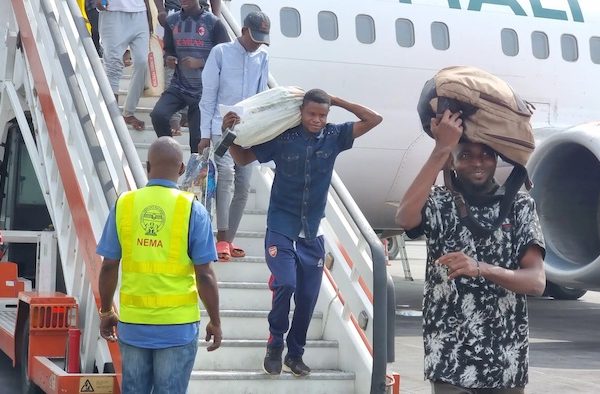
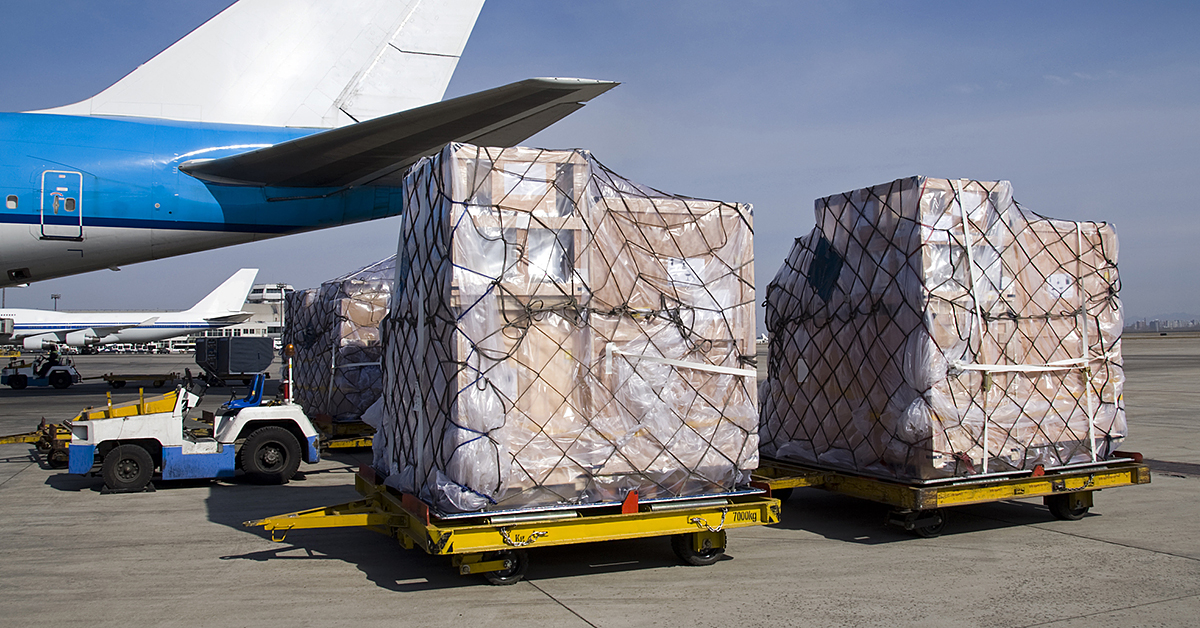
FAAN to raise cargo charges from February 2026 after a two-decade freeze

Nigeria’s airport authority will begin enforcing new cargo tariffs from February 2, 2026, following internal reforms and efforts to block revenue losses. The review was announced in June 2025 but delayed to fix operational gaps.
Officials said earlier implementation would not have improved income, as leakages were still widespread. With systems now stabilised, the agency expects improved revenue.
The increase affects cargo-related services only. Port charges will rise from ₦7 to ₦20 per kilogram, air cargo fees from ₦5 to ₦15, while transhipment and courier charges will double. FAAN said the rates were last reviewed in 2006 and have lost value over time.
‘Free’ power meters will still be paid for through tariffs, BPE says

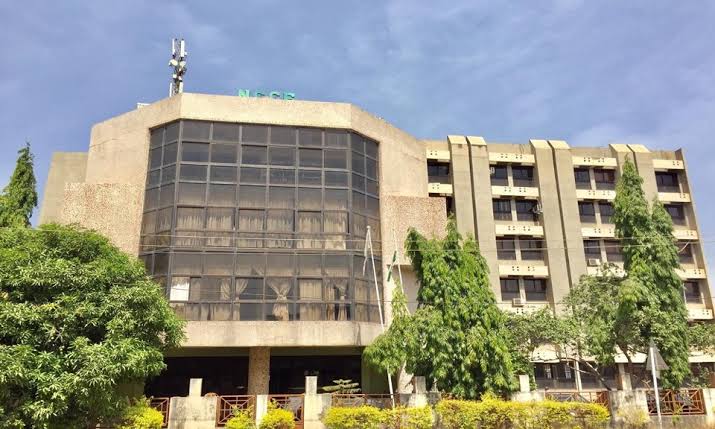
Electricity users will ultimately cover the cost of ongoing prepaid meter installations through their tariffs, the Bureau of Public Enterprises has said, amid a dispute between the Federal Government and distribution companies.
The disagreement followed a directive by Power Minister Adebayo Adelabu that meters provided under the World Bank–backed programme must be installed at no cost to consumers, with warnings against illegal charges.
However, DisCos argued the meters would still be paid for over time. Responding, BPE Director-General Ayo Gbeleyi dismissed claims that operators were footing the bill, saying consumers would pay indirectly through tariffs and accusing DisCos of pushing a misleading narrative.
Nigeria considers higher taxes on alcohol and tobacco

Plans are underway for the Federal Government to raise excise duties on alcohol, tobacco, and other sin goods as part of broad tax reforms linked to a 750 million dollar World Bank support programme.
A World Bank implementation report said Nigeria’s current excise rates on these products are very low, but reviews have begun, with higher charges expected to take effect from 2026 under the reform package.
Existing rules already combine two tax methods. A PwC tax summary shows that beer, wine, and spirits attract a 20 per cent excise duty plus fixed charges per litre, while cigarettes face a similar percentage tax alongside a fee per stick.
₦1trn metro rail set to redraw Kano’s transport map
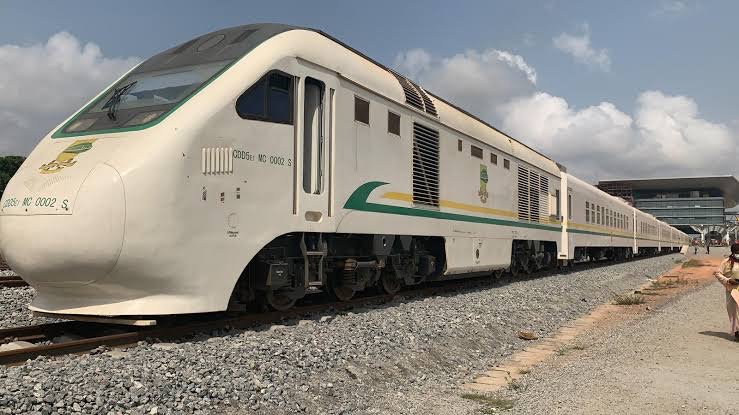
Plans are underway for a ₦1 trillion metropolitan rail project in Kano State, following federal government approval. The scheme is designed to improve city transport, reduce traffic pressure, and support economic growth.
Governor Abba Yusuf announced the project during a meeting with Kano representatives who attended the 2025 National Qur’anic Recitation Competition in Borno. He said the rail service would offer residents a modern, affordable, and efficient means of movement across major districts.
According to the governor, the project is expected to boost trade, attract investment, and improve living standards. He pledged cooperation with federal agencies to ensure transparent and smooth execution, while praising the federal government for supporting infrastructure development in the state.
Lagos Assembly raises alarm over abducted NYSC corps member
Lawmakers in Lagos have condemned the abduction of a prospective corps member, Binuyo Lateefah, and called for swift action to secure her release. The case was raised during plenary as a matter of urgent public concern.
A member of the House revealed that Lateefah was kidnapped on January 22, 2026, along the Kogi route while travelling to Taraba for her NYSC posting. Her abductors are reportedly demanding a ₦30 million ransom.
The Assembly urged stronger security for corps members on transit and called on the federal government and Governor Babajide Sanwo-Olu to work with Kogi State authorities. Lawmakers praised ongoing security efforts but stressed the need for more decisive action.