
- FCCPC accuses airlines of exploiting Nigerians with festive fare hikes
- INEC moves 2027 election dates forward after law change
- Nigeria’s federal schools are in crisis as they are 3,500 teachers short and counting
- Reports reveal rise of terrorism violence across Nigeria, Benin, and Niger borders
- Plastic producers now legally responsible for waste in Nigeria
Across Nigeria’s 36 states and the Federal Capital Territory, these are the top five Nigerian news stories you shouldn’t miss.
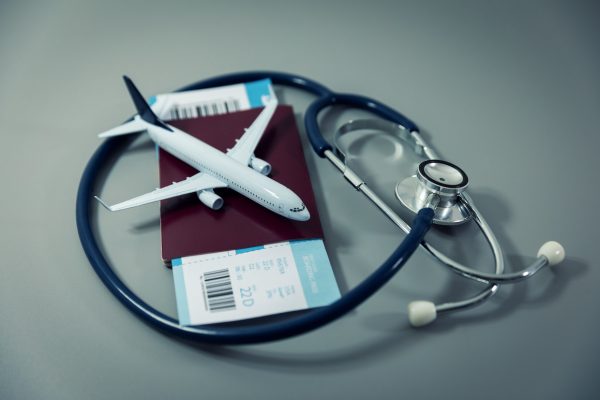
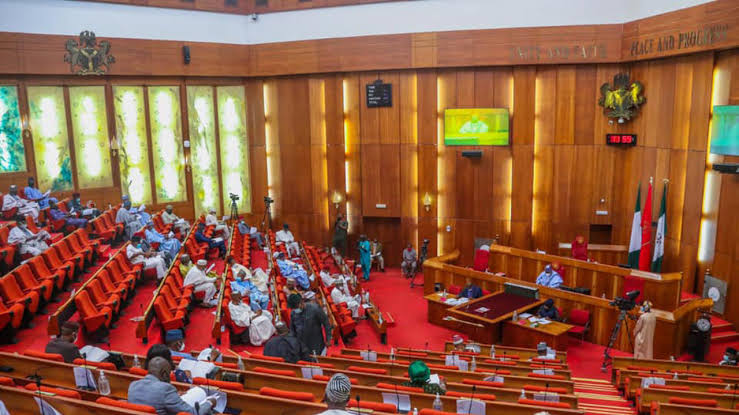
FCCPC accuses airlines of exploiting Nigerians with festive fare hikes

Nigeria’s consumer watchdog, the Federal Competition and Consumer Protection Commission (FCCPC), has found signs that some domestic airlines sharply increased ticket prices during the December 2025 festive period, raising concerns about passenger exploitation and unfair competition in Nigeria.
An interim report showed fares were much higher during the peak season than in January 2026. This happened despite little change in major cost factors such as aviation fuel prices, taxes, and foreign exchange rates.
The commission’s spokesman, Ondaje Ijagwu, said the findings suggest airlines raised fares by choice rather than necessity. He added that the agency will continue investigations to protect passengers and ensure fair pricing.
INEC moves 2027 election dates forward after law change
The Independent National Electoral Commission (INEC) has announced the dates for Nigeria’s 2027 general elections following the approval of a new electoral law. Presidential and National Assembly polls will now hold on January 16, 2027, while governorship and state assembly elections are fixed for February 6.
The earlier timetable had placed the elections in late February and early March. However, some Muslim groups objected, saying the dates clashed with Ramadan, a major religious period of fasting and prayer.
Following the concerns, the Senate reduced the notice period for elections. INEC chairman, Joash Amupitan, confirmed that preparations will begin on April 1, 2026.
Nigeria’s federal schools are in crisis, as they are 3,500 teachers short and counting

Education Minister Tunji Alausa raised the alarm on Thursday while defending the ministry’s 2026 budget before a joint Senate and House committee, revealing that federal unity colleges are short of more than 3,500 qualified teachers.
Alausa warned that the staffing crisis is directly undermining the quality of education and Nigeria’s ability to produce globally competitive graduates, urging lawmakers to prioritise urgent funding for teacher recruitment, training, and retention.
He also flagged crumbling infrastructure, poor security, and overcrowded classrooms as compounding the crisis, noting that many schools remain unfenced and without electricity, leaving students vulnerable in areas plagued by kidnapping and banditry.
Reports reveal rise of terrorism violence across Nigeria, Benin, and Niger borders

New data from ACLED shows extremist violence has sharply increased across border areas linking Benin Republic, Niger Republic, and Nigeria. Fatalities rose by 262 percent between 2024 and 2025, with attacks spreading across several frontier communities.
Groups including Jama’at Nusrat al-Islam wal-Muslimin and Islamic State Sahel Province claimed responsibility for new assaults. Analyst Héni Nsaibia said militants are expanding their reach and openly declaring operations to show strength and influence.
The report linked the surge to weak border control and poor coordination after some countries left ECOWAS. Reduced cooperation has created security gaps, allowing armed groups to grow their presence and threaten stability.
Plastic producers now legally responsible for waste in Nigeria

The Federal Government of Nigeria has introduced strict enforcement requiring plastic producers, importers and brand owners to manage the full lifecycle of their products. National Environmental Standards and Regulations Enforcement Agency director general, Innocent Barikor, announced the shift during a stakeholders’ meeting in Owerri.
He said plastic pollution is now a national priority and stressed that producers must share responsibility under the polluter pays principle. The new 2026 regulations set targets for plastic collection, recycling, and recovery.
Barikor added that the policy will create green jobs and reduce costs. Support from the United Nations Environment Programme and the Japanese Government will help Nigeria build a cleaner, circular economy.