
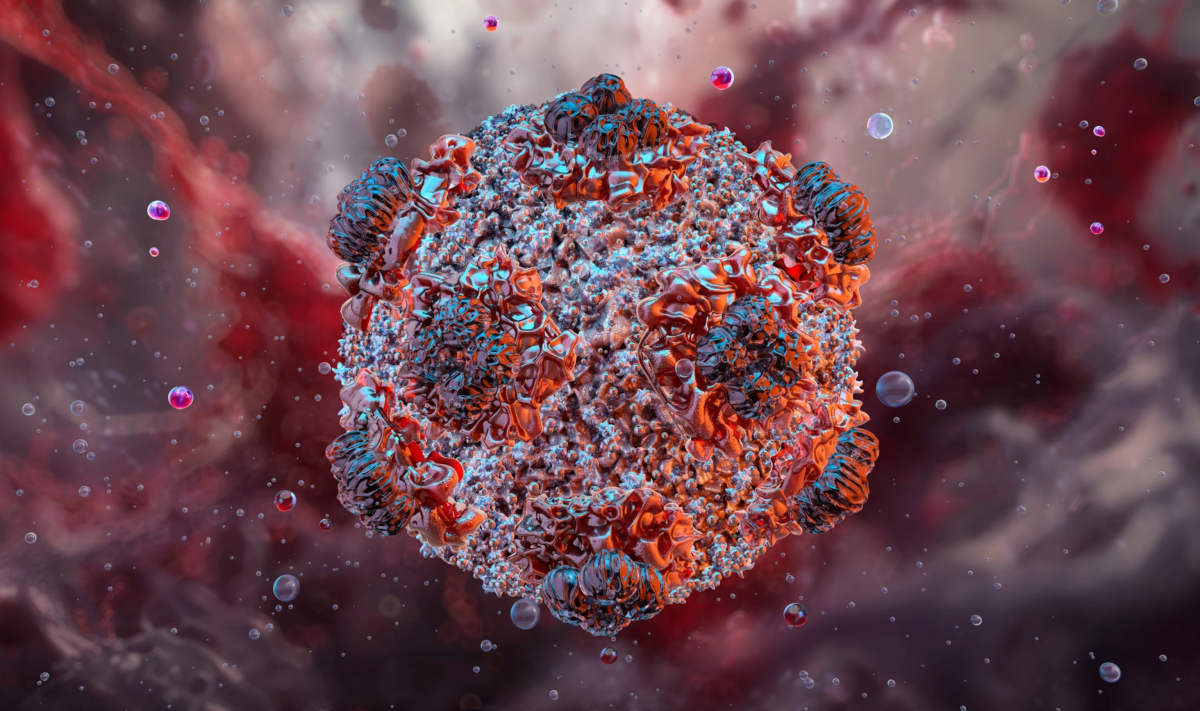

Orthohantavirus, commonly known as ‘Hantavirus,’ is a genus of viruses that includes all hantaviruses that cause diseases in humans. They are naturally found in the bodies of rodents, with each hantavirus carried by a single rodent species; each rodent that carries a hantavirus carries only one hantavirus species.
How Are Hantaviruses Transmitted?
Hantaviruses are transmitted mainly through solid or liquid materials or through droplets containing rodent excretions. “To date, human-to-human transmission has been documented only for the Andes virus in the Americas and remains uncommon. When it occurs, transmission between people has been associated with close and prolonged contact, particularly among household members or intimate partners, and appears most likely during the early phase of illness, when the virus is more transmissible.”
These viruses can also be transmitted through contaminated food and through bites and scratches from rodents that carry these hantaviruses.
Primary Transmission Routes:
- Inhalation: When rodent droppings, urine, or nesting materials are disturbed, the virus becomes airborne and can be inhaled by humans.
- Direct Contact: Touching contaminated materials (surfaces, droppings) and then touching the mouth or nose. It is important to maintain thorough hygiene if you live in an environment with rodents.
- Rodent Bites: Although rare, bites from infected rodents can transmit the virus to humans. It is important to be mindful of the rodents in your living space.
- Ingestion: Consuming food contaminated with the urine, feces, or saliva of infected rodents is a key route of hantavirus transmission.
Certain environmental factors can increase the risk of transmission. The factors that can influence transmission are:
- Rainfall
- Humidity
- Temperature
What Does Having Hantavirus Feel Like?
In their natural hosts, hantaviruses often cause asymptomatic, persistent infection. In humans, hantaviruses cause two diseases: Hemorrhagic Fever with Renal Syndrome (HFRS) and Hantavirus Pulmonary Syndrome (HPS). HFRS is generally caused by hantaviruses found in Africa, Asia, and Europe, which are called Old World hantaviruses, and HPS is usually caused by hantaviruses in the Americas, which are known as New World hantaviruses.
What Are The Symptoms Of Hantavirus?
Hantavirus can cause both seemingly harmless and serious symptoms. The symptoms indicating that someone has contracted the virus can include shortness of breath, muscle aches, stomach pain, nausea, fever, extreme fatigue, diarrhea, or, in more severe cases, low blood pressure, kidney failure, and difficulty breathing.
What Is The Survival Rate For Hantavirus?
Although Hantavirus is considered rare in humans, the fatality rate ranges from 1% to 15% in Asia and Europe, respectively, and is 50% in the Americas. However, Hantavirus is not a new virus, and according to the WHO, 100,000 cases are reported annually. While not as widespread as COVID-19, Hantavirus is a deadly disease if not treated quickly.
Can Hantavirus Be Cured?
As of now, hantavirus has no specific cure, vaccine, or antiviral medication, but it can be managed with supportive care if treated early. The recovery process for hantavirus is typically 3-6 months, and it is best managed in the ICU or with supportive care, where patients can receive fluids, medications to manage blood pressure, and oxygen therapy for symptoms such as shortness of breath.
A critical part of survival when you contract hantavirus is early intervention. It is important to immediately seek medical attention once you recognize similar symptoms.